

Plasma, Oxy-Fuel, and Waterjet Cutting
These cutting technologies are used where laser cutting is not the optimal solution due to material thickness, material type, required cut quality, or production costs. They are ideal for manufacturing cut blanks, flanges, base plates, structural components, shaped semi-finished parts, and heavy-duty components intended for subsequent welding or machining. The most suitable cutting process is selected based on the material, thickness, required accuracy, edge quality, and subsequent manufacturing operations.
What Can We Manufacture with This Technology?
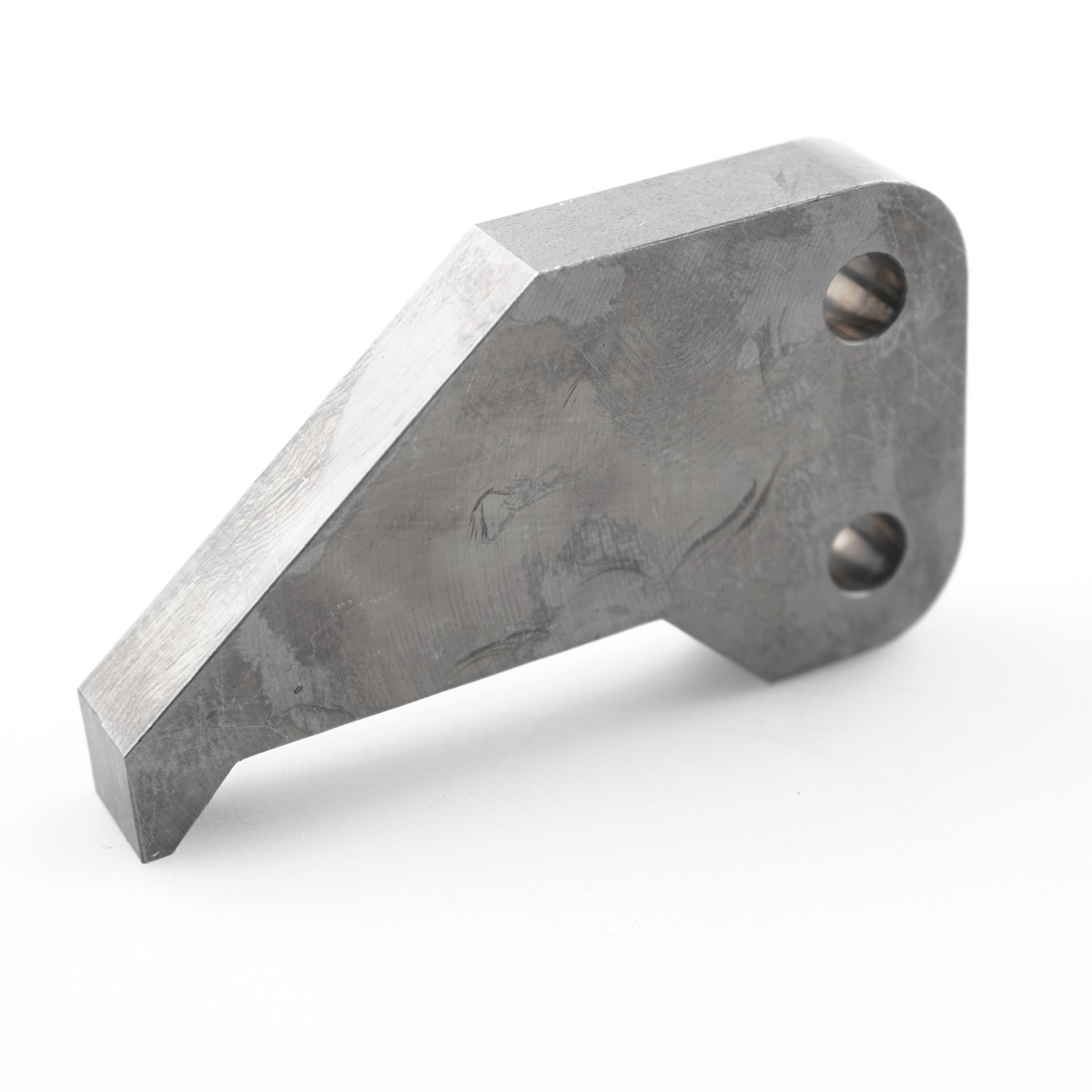
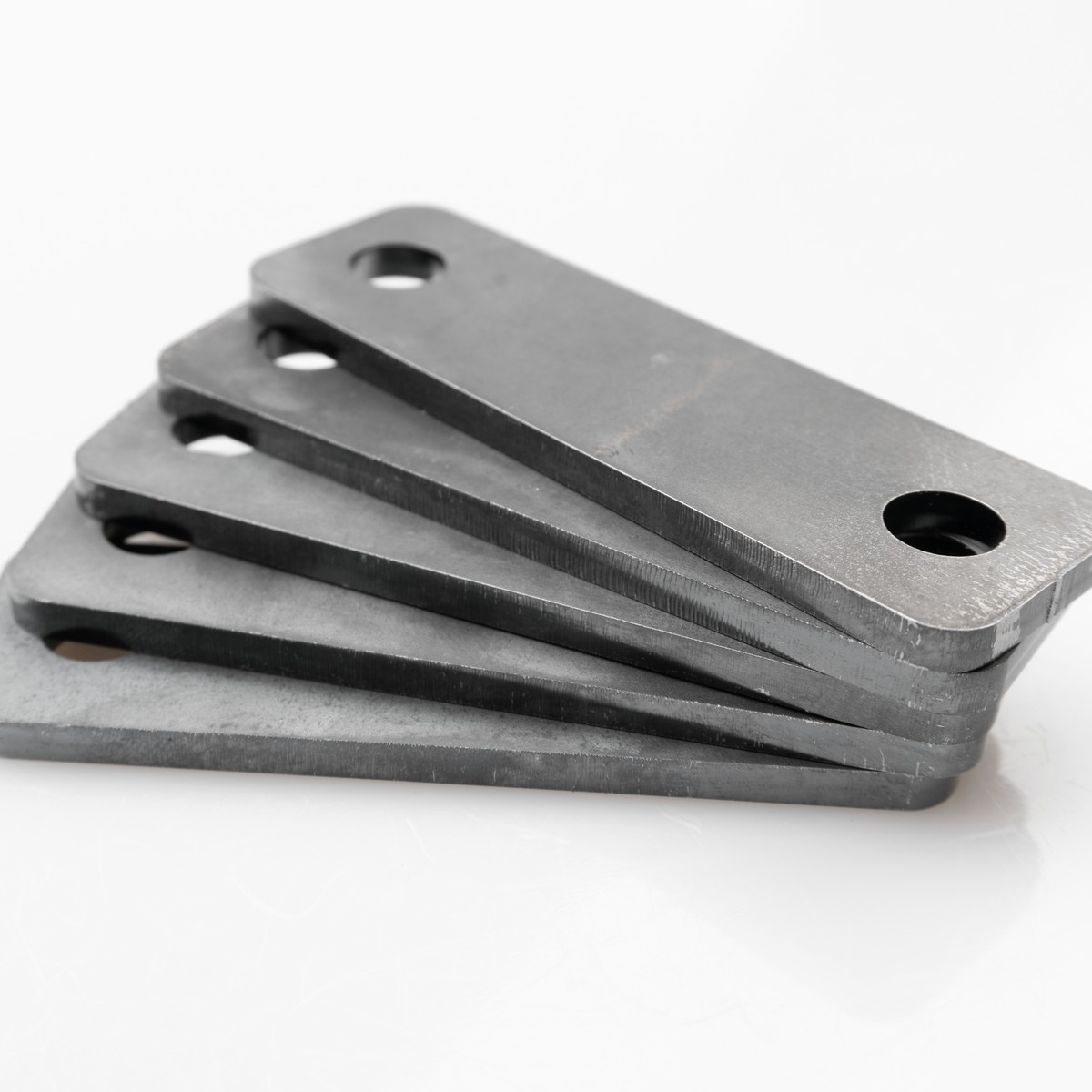
- Typical components: cut blanks, flanges, plates, reinforcements, structural components, base plates, frames, and semi-finished parts for subsequent manufacturing
- Cutting processes: plasma cutting, oxy-fuel cutting, and waterjet cutting, selected according to the material, thickness, and required cut quality
- Part size: from small precision-cut components to large, heavy-section parts
- Key requirements: dimensional accuracy, edge quality, minimal heat-affected zone, or cost-efficient production
- Production volumes: one-off parts, small batches, and recurring production
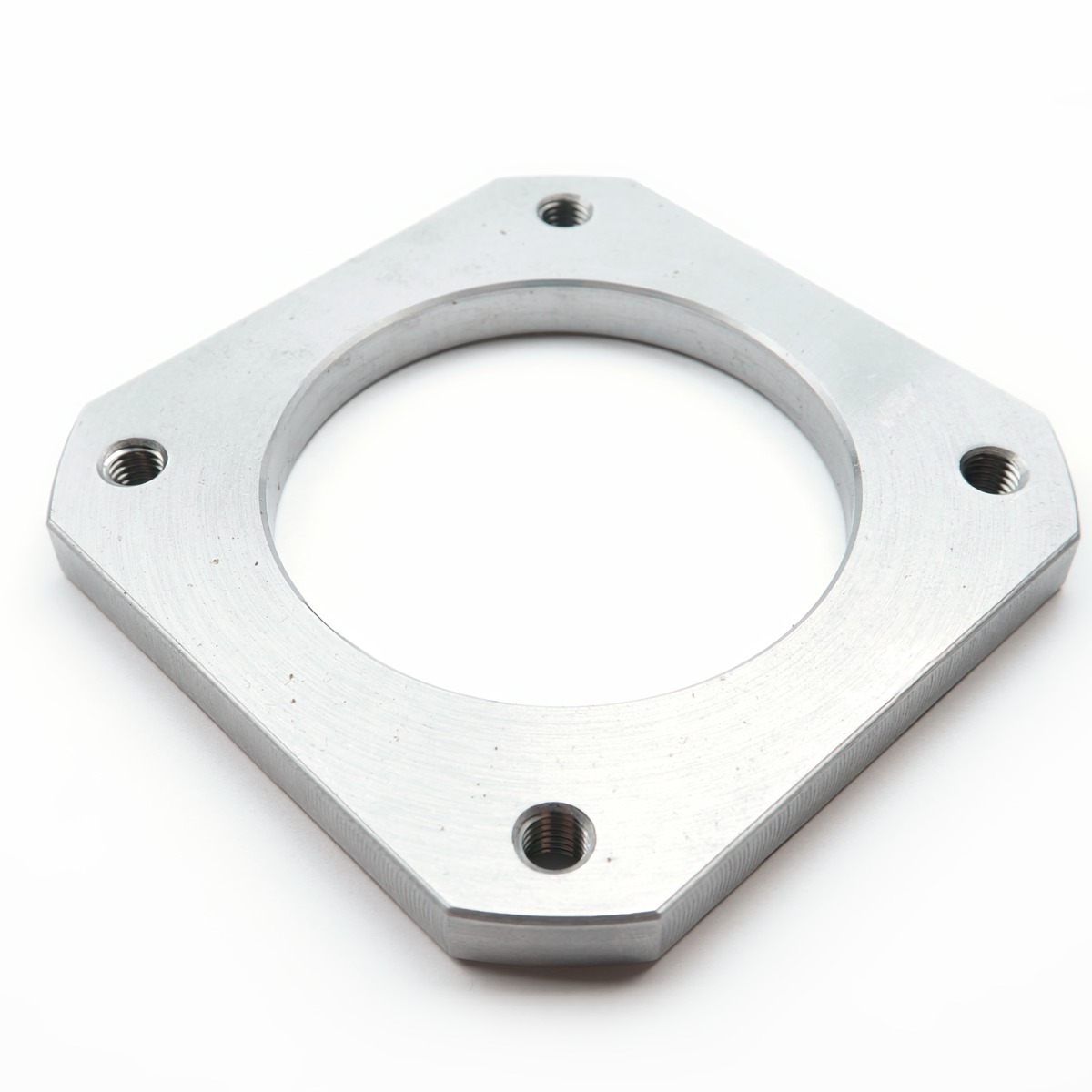
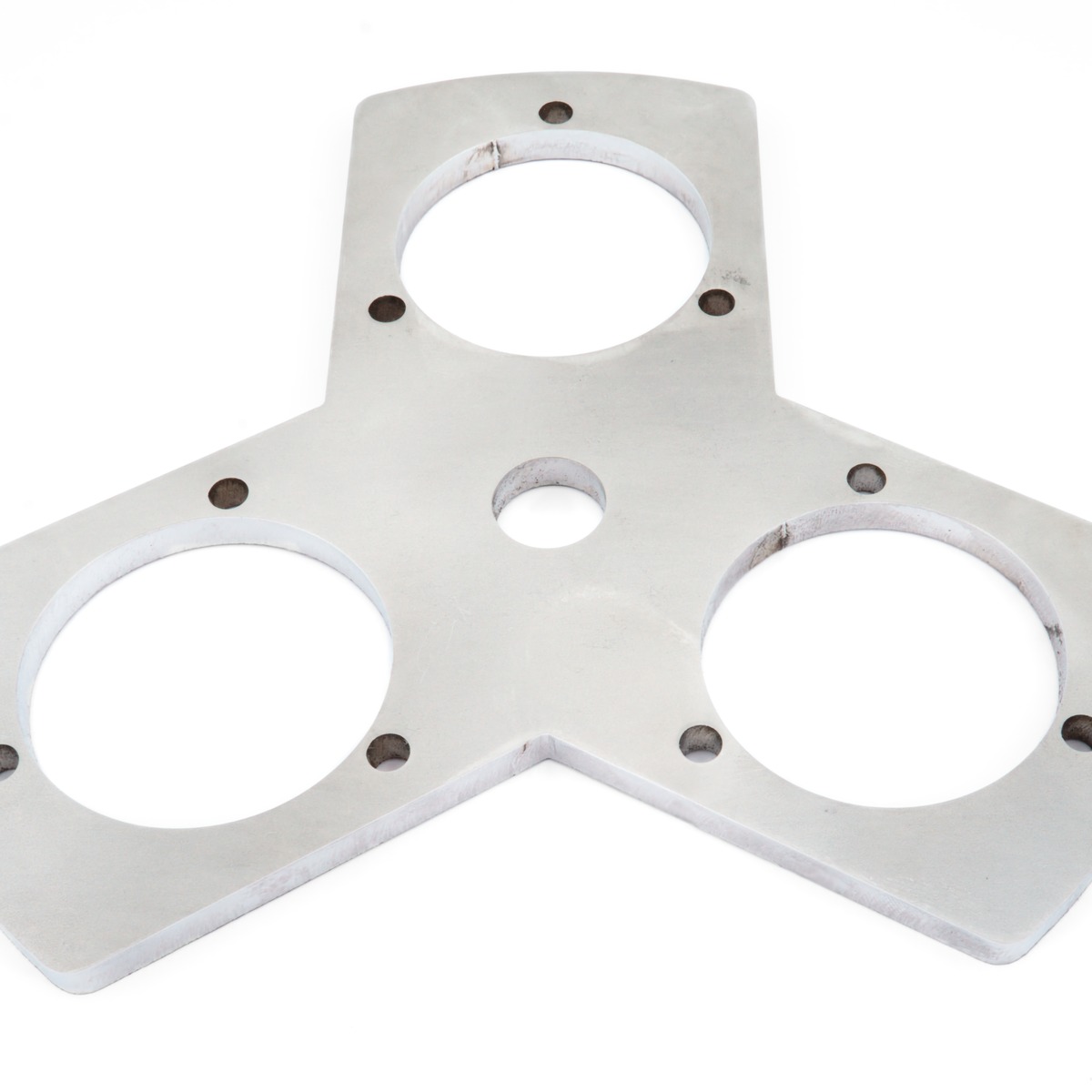
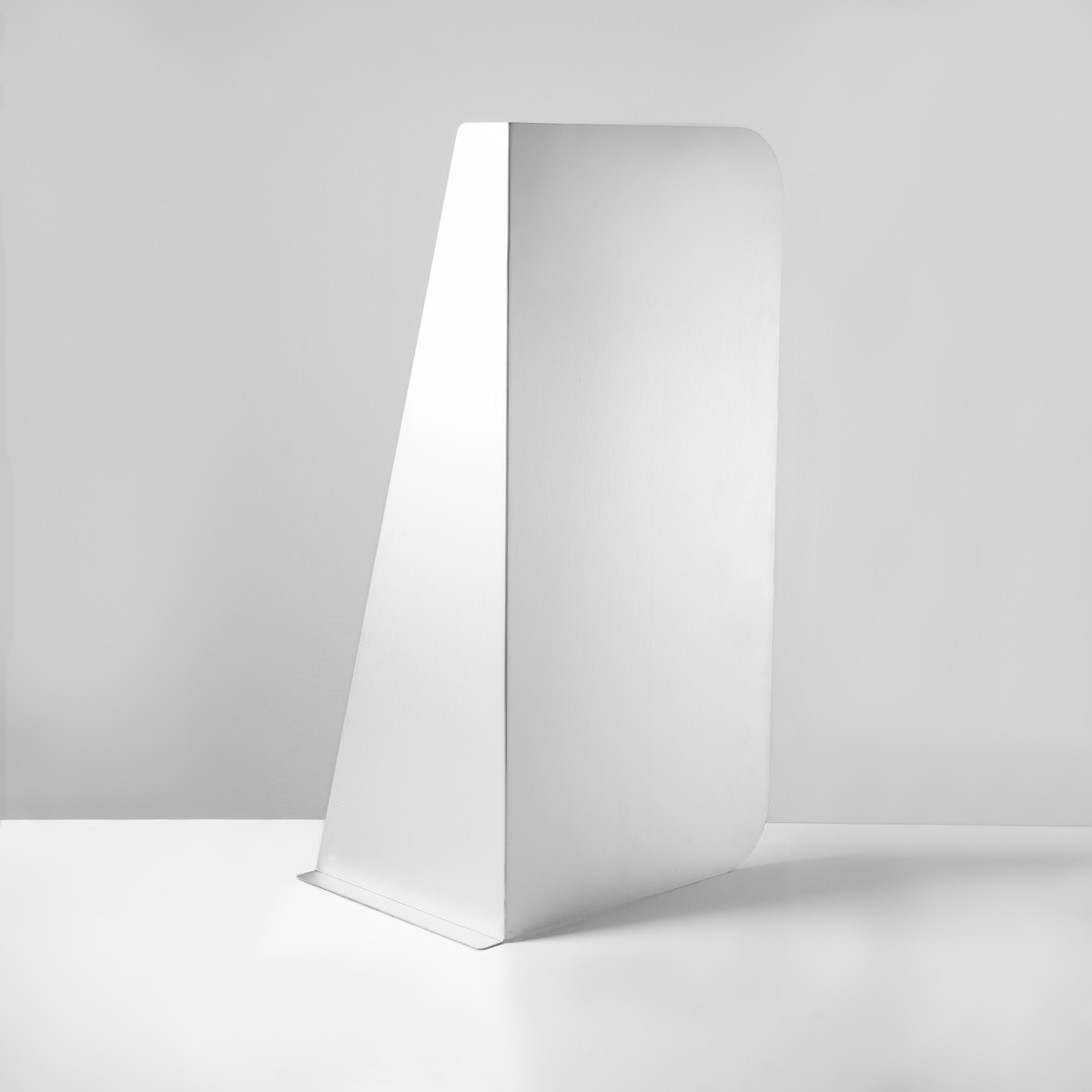
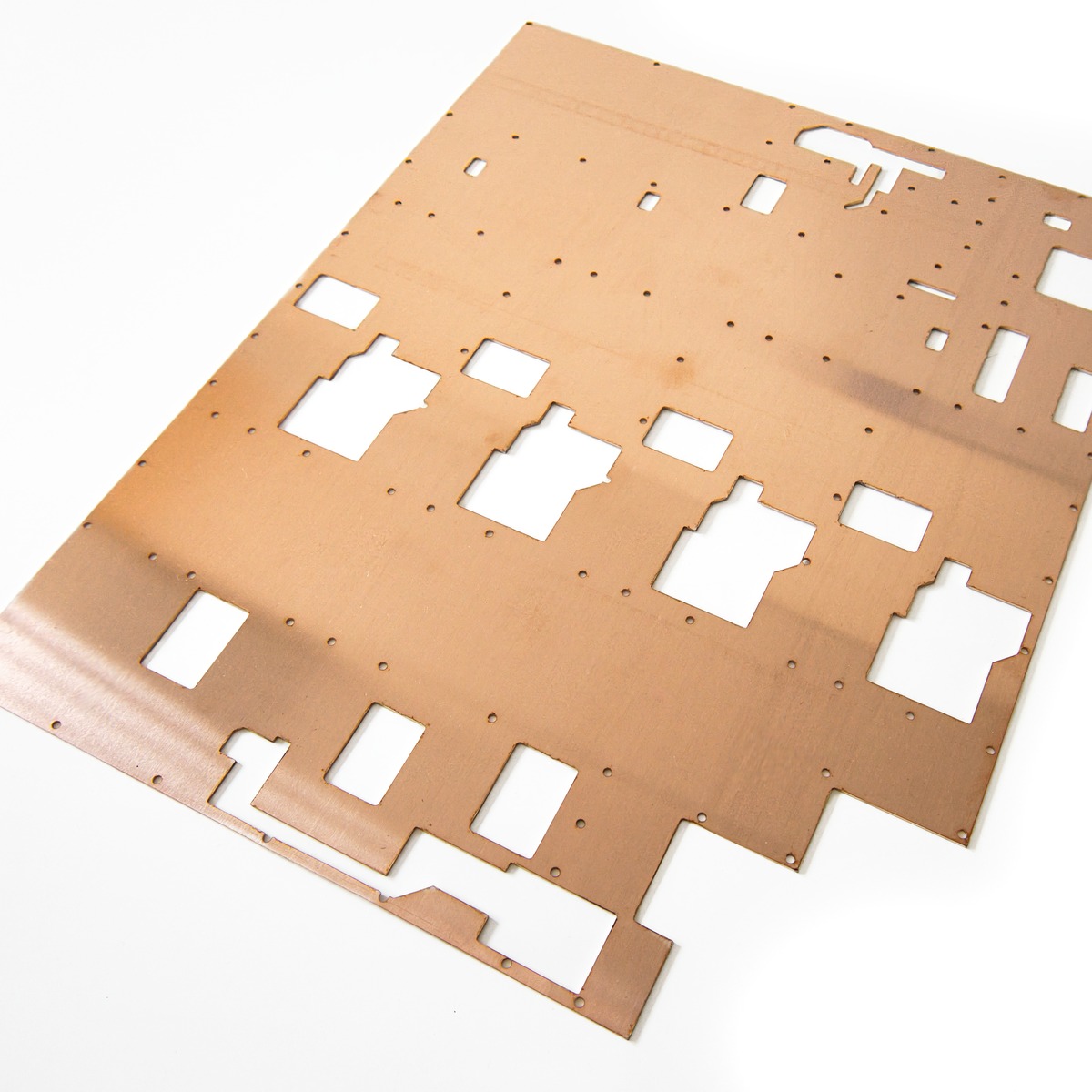
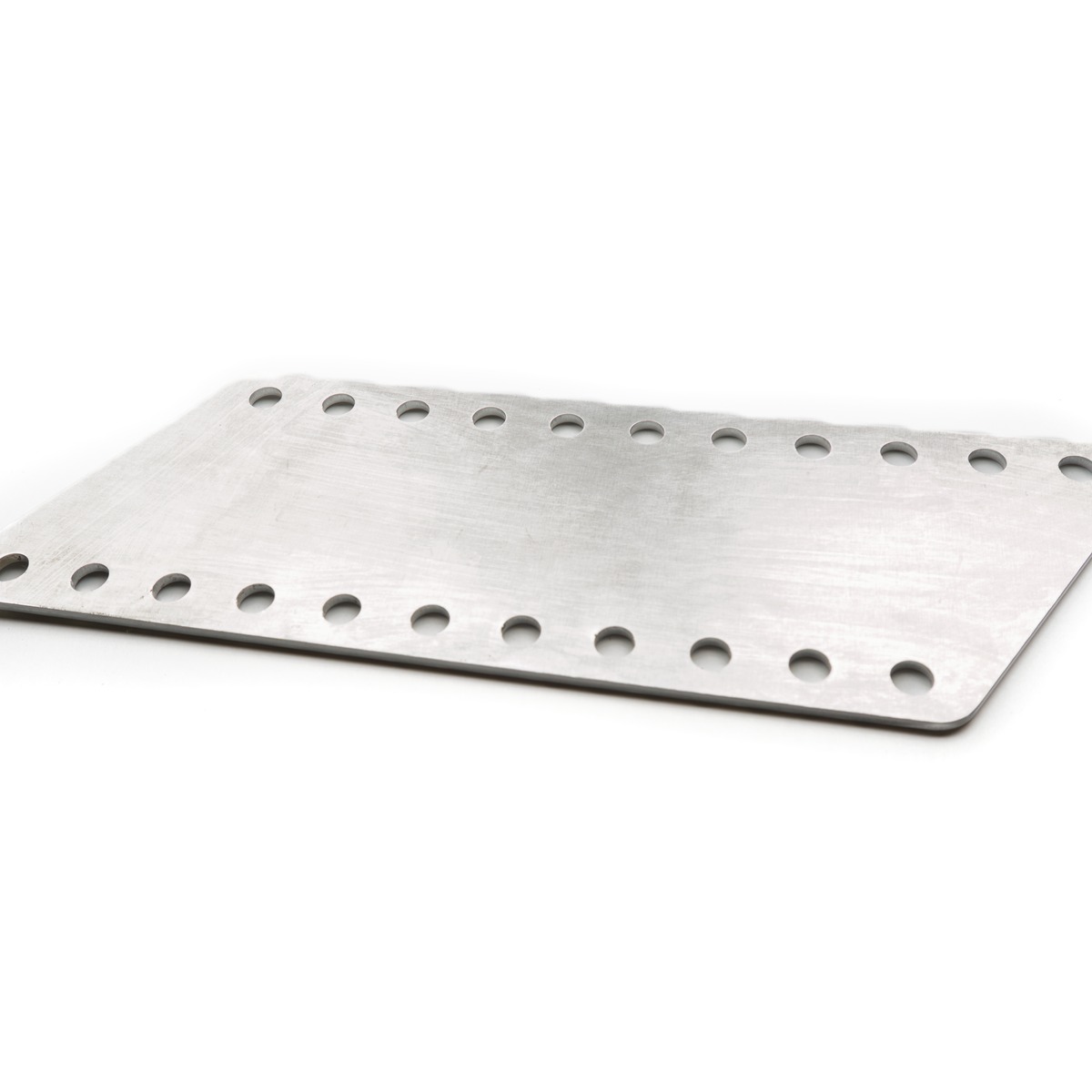
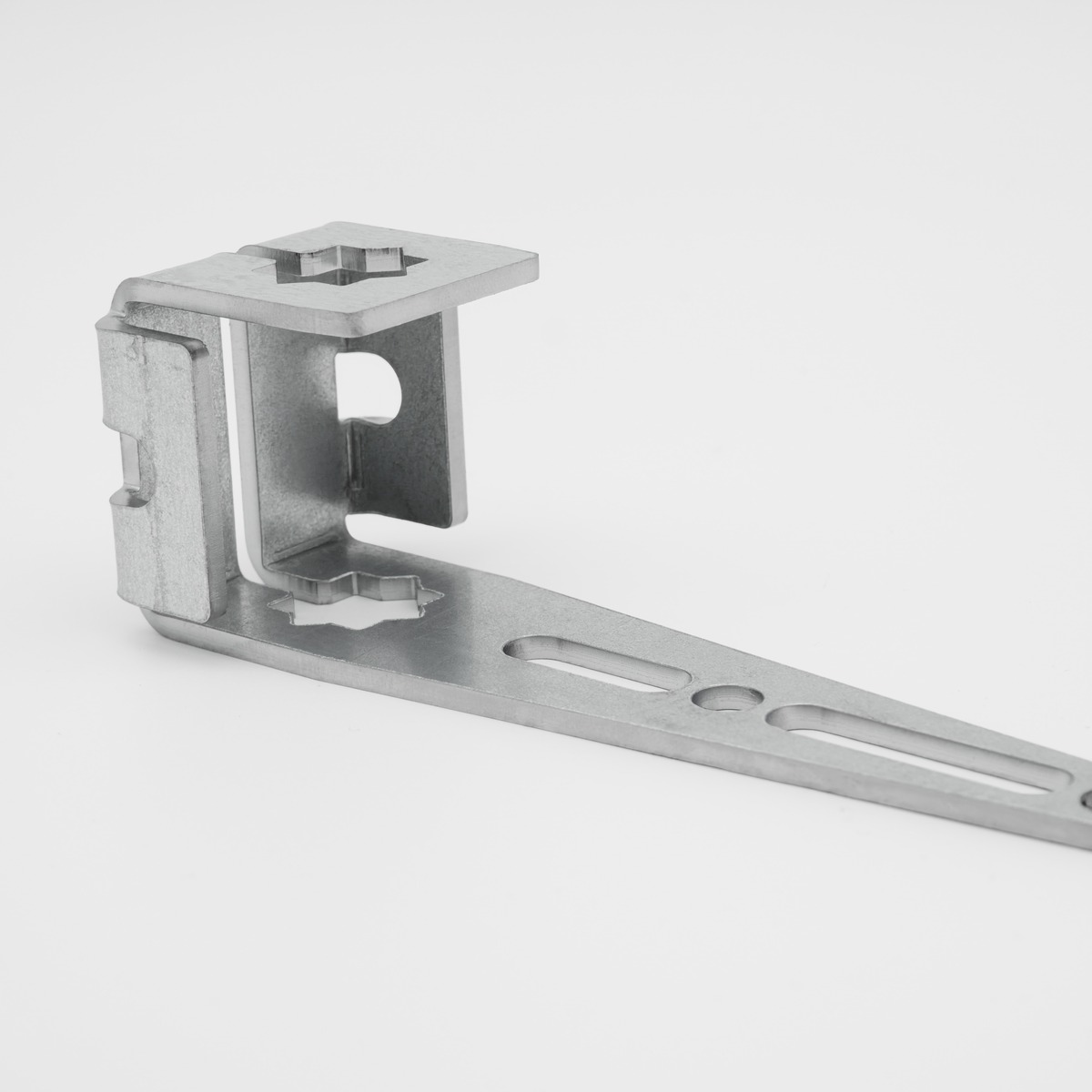
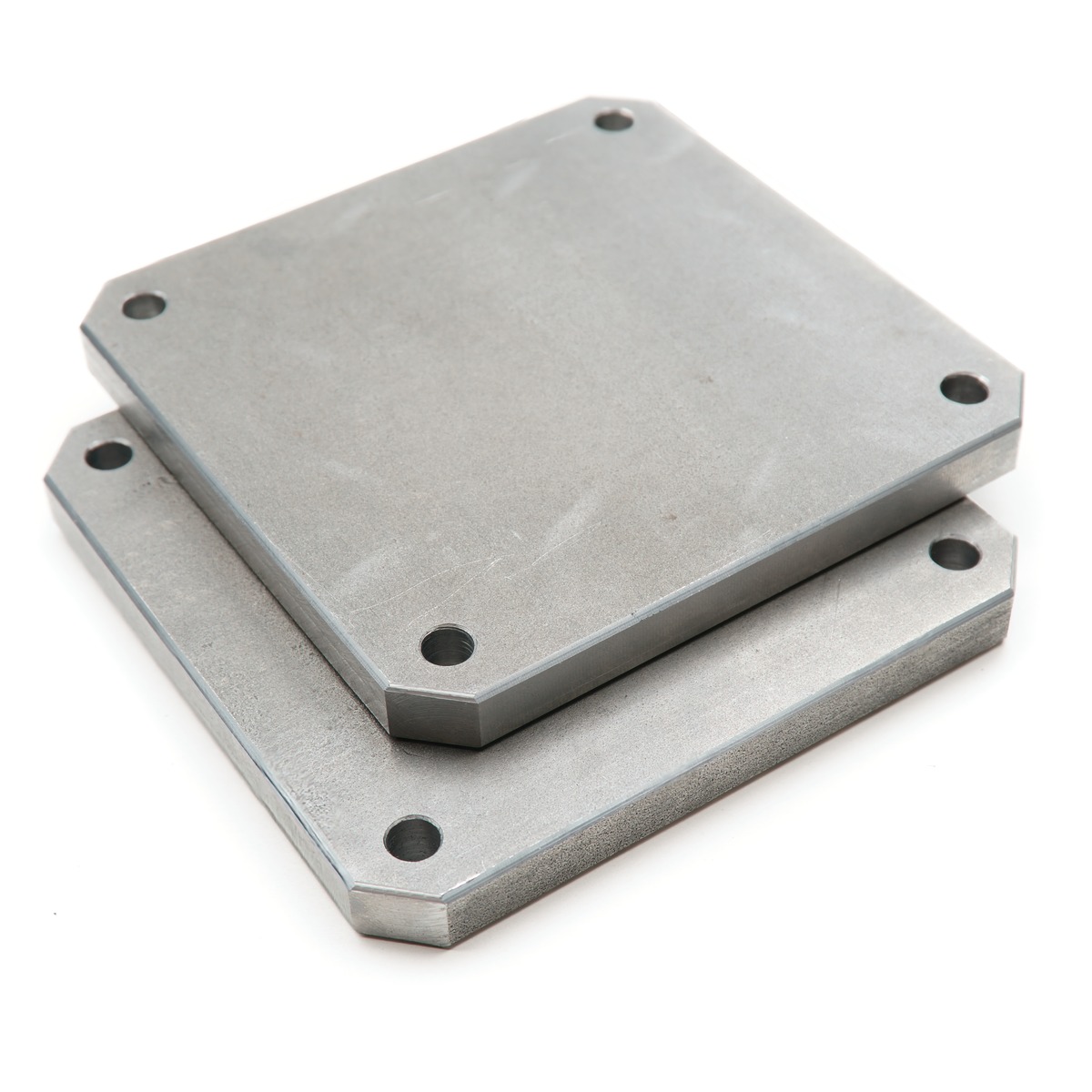
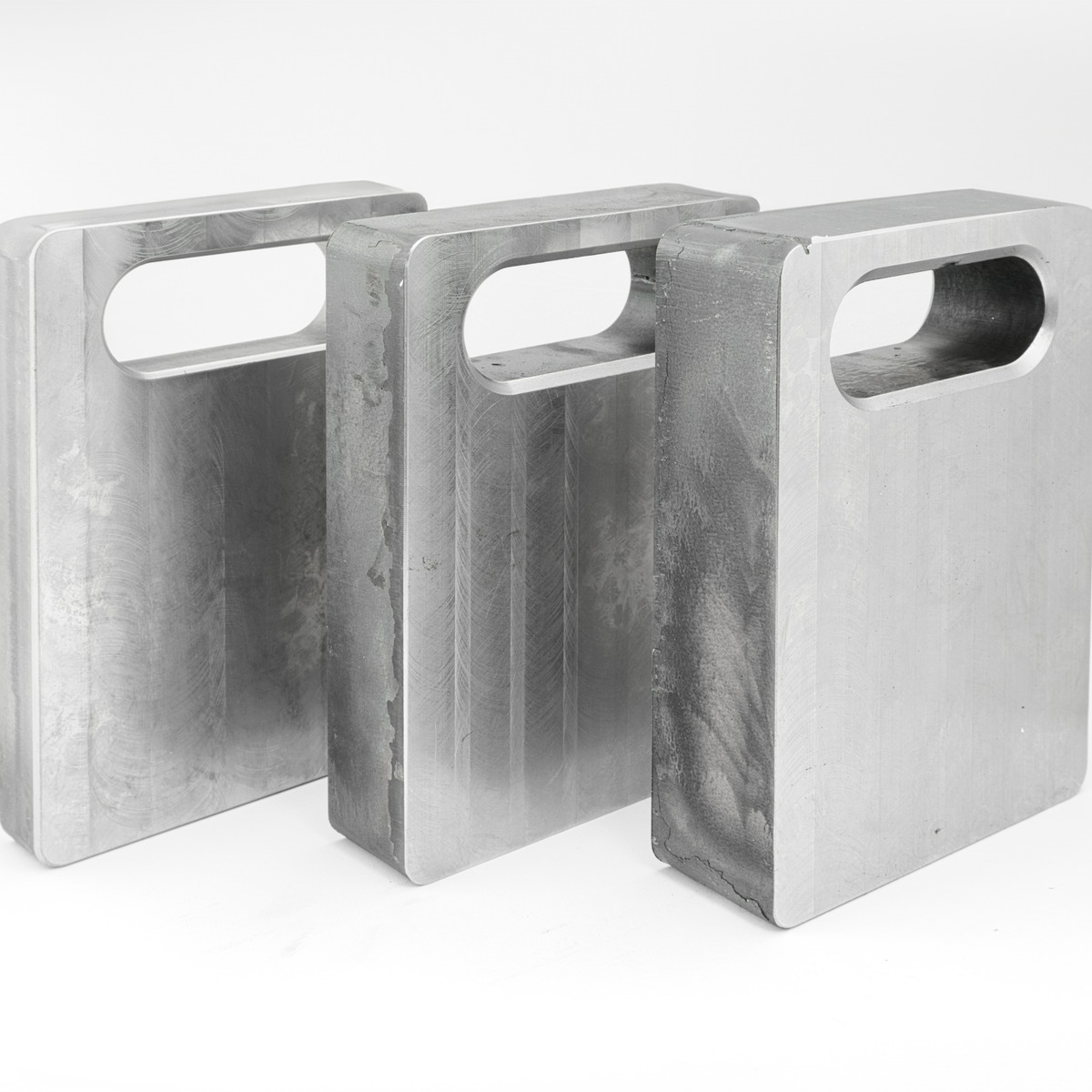
Differences Between Plasma, Oxy-Fuel, Waterjet, and Laser Cutting
The main differences between these cutting technologies lie in the cutting principle, the range of suitable materials, cutting speed, edge quality, and the amount of heat introduced into the material. Laser cutting provides the highest precision and cleanest cut for most standard sheet metal applications, but it is not always the most cost-effective solution for thick materials or specialized applications. Plasma and oxy-fuel cutting are often more economical for thicker steel plates, while waterjet cutting offers the advantage of producing a cold cut with no heat-affected zone.
- Plasma vs. Laser Cutting: Plasma cutting is better suited for thicker materials and heavy-duty components, while laser cutting provides higher precision and superior edge quality.
- Oxy-Fuel vs. Laser Cutting: Oxy-fuel cutting is primarily used for very thick carbon steel plates, but it is slower and offers lower cutting precision than laser cutting.
- Waterjet vs. Laser Cutting: Waterjet cutting produces a cold cut with no heat-affected zone and can process materials that are unsuitable for laser cutting, although it is typically slower and more expensive.
- Plasma vs. Oxy-Fuel Cutting: Plasma cutting is faster and more versatile for electrically conductive metals, while oxy-fuel cutting is the preferred solution for thick carbon steel plates.
- Waterjet vs. Plasma/Oxy-Fuel Cutting: Waterjet cutting eliminates thermal distortion and is suitable for heat-sensitive materials, although it is not always the most cost-effective option.
Typical Materials and Manufacturing Capabilities
Each of these cutting technologies has its own strengths. Plasma cutting is fast and versatile for electrically conductive metals, oxy-fuel cutting is best suited for very thick carbon steel plates, and waterjet cutting is ideal for applications where the material must be cut without any heat-affected zone. Compared to laser cutting, these technologies are often the better choice for thicker materials, specialized applications, or whenever an ultra-clean cut edge is not required.
- Plasma Cutting: fast and cost-effective cutting of electrically conductive metals, particularly medium and thick materials
- Oxy-Fuel Cutting: best suited for thick carbon steel plates
- Waterjet Cutting: cold cutting with no heat-affected zone, ideal for heat-sensitive and difficult-to-machine materials
- Laser Cutting: the highest cutting precision and edge quality for thin and medium-thickness sheet metal
- Technology selection: based on the material, thickness, required cut quality, and subsequent manufacturing processes
When Should You Choose Plasma Cutting?
Plasma cutting is ideal for conductive materials, particularly carbon steel, stainless steel, and aluminum, when fast and cost-effective cutting of medium and thick plates is required. Compared to laser cutting, it typically produces a rougher cut edge and lower dimensional accuracy, but for heavy-duty components it often offers a better balance between cost and performance.
- Typical materials: carbon steel, stainless steel, aluminum, and other electrically conductive metals
- Typical components: structural cut blanks, flanges, base plates, frames, and thick plates for welded assemblies
- Advantages: high cutting speed, cost-effective production, and excellent suitability for thicker materials
- Limitations: lower dimensional accuracy and rougher cut edges compared to laser cutting
- Additional operations: deburring, edge chamfering, welding, and machining
When Should You Choose Oxy-Fuel Cutting?
Oxy-fuel cutting is primarily used for thick carbon steel plates where a cost-effective solution for cutting heavy material is required. Compared to plasma and laser cutting, it is generally slower and offers lower dimensional accuracy, but it is highly efficient for processing very thick sections. Typical applications include heavy steel structures, base plates, and heavy-duty machine components.
- Typical materials: primarily unalloyed and low-alloy carbon steels
- Typical components: heavy flanges, base plates, thick plates, cut blanks for welded assemblies, and heavy structural components
- Advantages: ideal for very thick materials and cost-effective for heavy-duty components
- Limitations: larger heat-affected zone, lower dimensional accuracy, and rougher cut edges
- Additional operations: machining, straightening, welding, and abrasive blasting
When Should You Choose Waterjet Cutting?
Waterjet cutting is the preferred solution whenever the material must be cut without introducing heat. It is suitable not only for metals but also for a wide range of materials that could be damaged or deformed by thermal cutting processes. Compared to laser cutting, waterjet cutting is generally slower, but it provides clean cuts with no heat-affected zone and supports a much broader range of materials.
- Typical materials: carbon steel, stainless steel, aluminum, non-ferrous metals, plastics, composites, stone, rubber, and many other materials
- Typical components: precision-cut parts, heat-sensitive materials, multi-layer components, engineering plates, and other specialized applications
- Advantages: cold cutting with no heat-affected zone, no changes to the material structure, and exceptional material versatility
- Limitations: lower cutting speed and often higher costs compared to laser or plasma cutting
- Additional operations: deburring, assembly, bonding, machining, or final assembly
Related Manufacturing Processes
Plasma, oxy-fuel, and waterjet cutting are often the first steps in the manufacturing process. The cut parts are typically followed by welding, machining, bending, or surface finishing, depending on the component type and required final quality. For structural components, subsequent assembly and logistics are also important considerations.
- Welding
- CNC Milling
- Bending
- Surface Treatments
- Tubes and Profiles
Why Is Manufacturing with PARTORY More Efficient?
40% Material Cost Savings: We purchase materials in bulk across our entire supplier network, giving you access to pricing that individual buyers typically cannot achieve.
Always the Right Manufacturing Technology: Our AI-powered platform automatically matches your project with the production equipment best suited for your component. You only pay for the machining capacity your part actually requires.
Hassle-Free Logistics: We manage just-in-time deliveries, safety stock, and complete transportation coordination.
These advantages help reduce your sourcing and manufacturing costs by at least 15%.
Where Do the Cost Savings Come From?
We reduce sourcing and manufacturing costs by at least 15% through:
Do You Have Your Documentation Ready?
Send us your drawing, 3D model, or technical requirements at rfq@partory.com. We will review the manufacturing options and get back to you with the next steps.
Prefer to Discuss Your Project First?
Register with PARTORY and we’ll contact you to review your project, discuss your documentation, and identify any additional information needed to prepare an accurate quotation.
FAQ
- When should you choose plasma cutting instead of laser cutting?
Plasma cutting is typically the better choice for thicker materials and heavy-duty components where the ultra-clean edge quality of laser cutting is not required. - When does oxy-fuel cutting make sense?
Oxy-fuel cutting is primarily used for very thick carbon steel plates where a cost-effective solution for cutting heavy material is required. - When is waterjet cutting a better choice than laser cutting?
Waterjet cutting is the preferred option when the material must be cut without introducing heat or when processing materials that are not suitable for laser cutting. - What is the main difference compared to laser cutting?
Laser cutting provides higher precision and superior edge quality for most standard sheet metal applications, while plasma, oxy-fuel, and waterjet cutting are better suited to different material thicknesses, material types, and cutting requirements. - Can you recommend the most suitable cutting technology?
Yes. Based on the material, thickness, required accuracy, and subsequent manufacturing operations, we will recommend the most appropriate cutting solution. - Can you supply parts with additional manufacturing operations?
Yes. In addition to cutting, we can also provide welding, machining, bending, deburring, and surface finishing. - What information do you need to prepare a quotation?
Ideally, we require a DXF or STEP file, material specification, material thickness, production quantity, and information about any subsequent manufacturing operations.