

Gear Machining
Gear machining is used to manufacture components that transmit torque, motion, or precise synchronization in mechanical systems and power transmission assemblies. Typical applications include spur gears, pinions, splined shafts, bevel gears, worms, internal gears, and splined profiles. The most suitable manufacturing process and finishing operations are selected according to the required accuracy, gear type, production volume, and the intended function of the component.
What Can We Manufacture with This Technology?
- Typical components: spur gears, pinions, splined shafts, bevel gears, worms, internal gears, and splined hubs
- Gear types: spur, helical, bevel, internal, worm, involute splines, and other gear profiles
- Part size: from small precision gears to large transmission and machine components
- Required properties: running accuracy, torque transmission, service life, low noise, and wear resistance
- Production volumes: prototypes, small batches, and recurring serial production, depending on the component type and manufacturing process
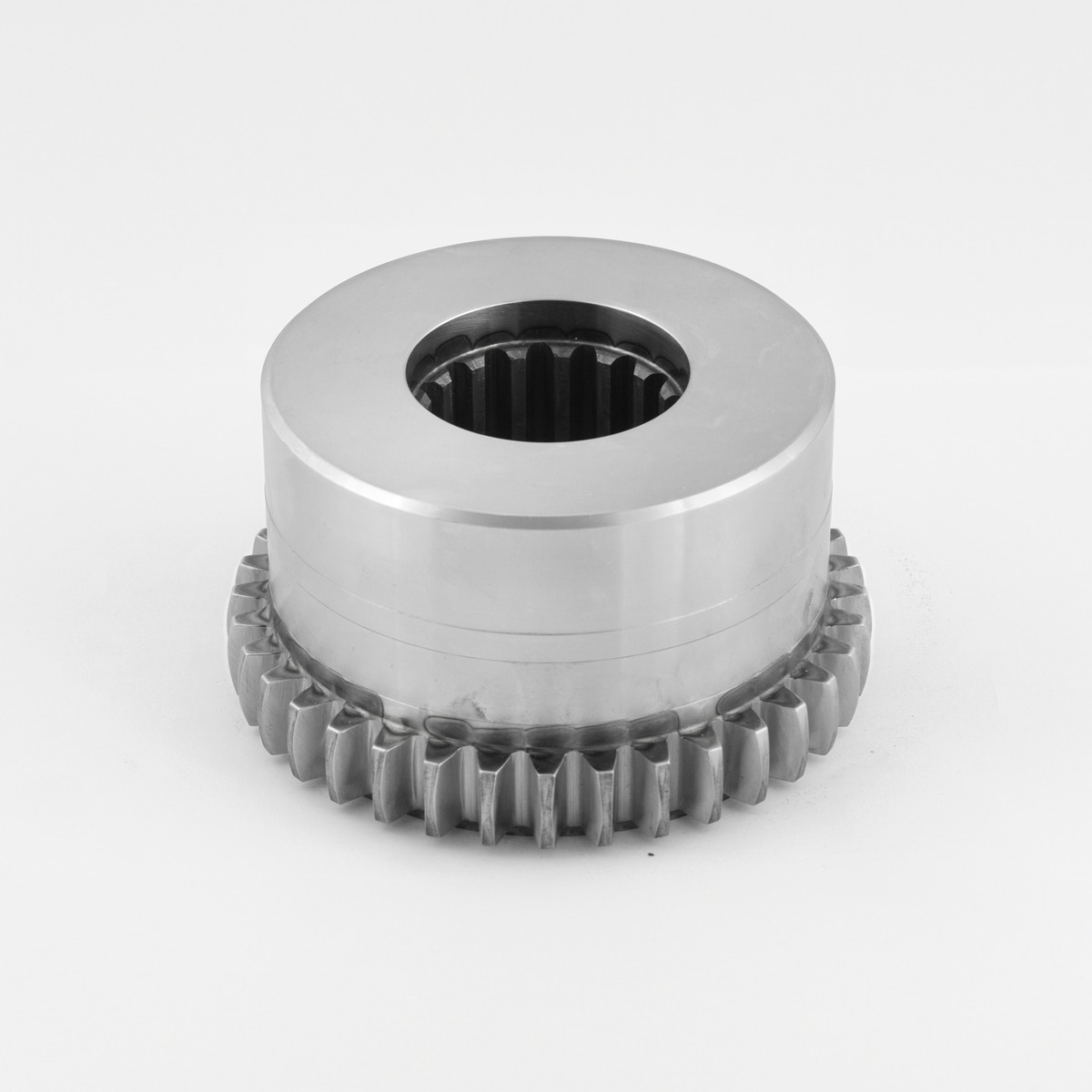
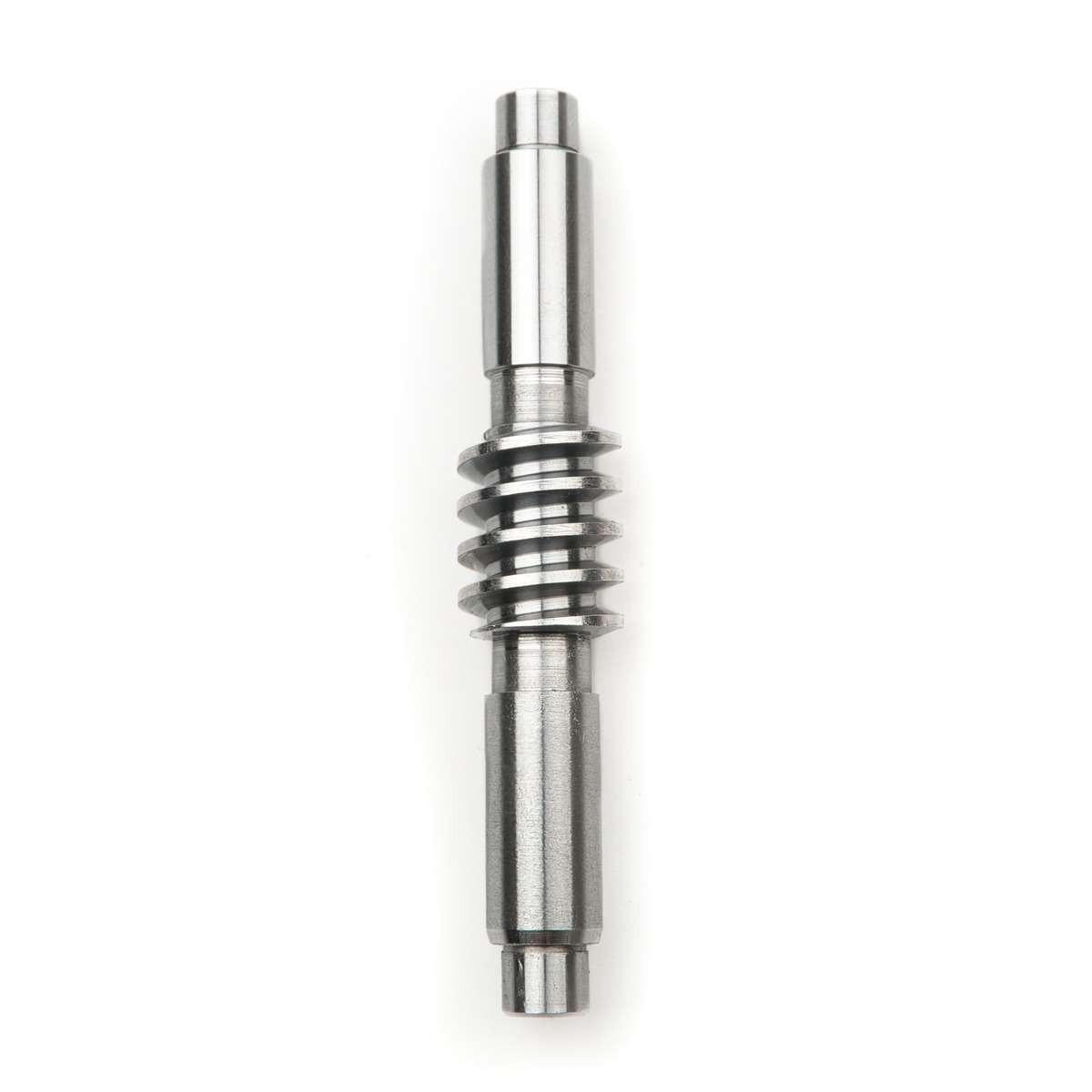
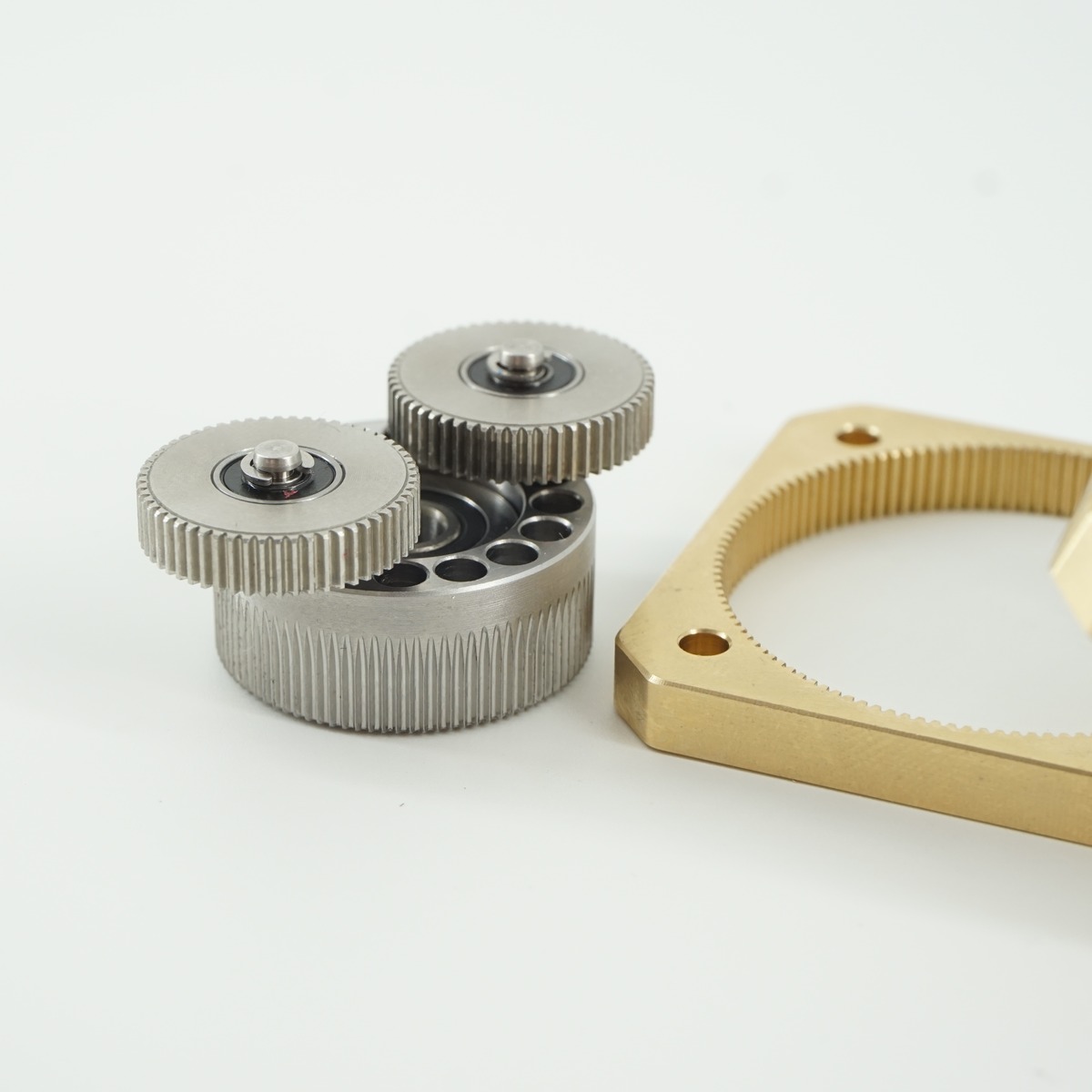
What Types of Gears Can We Manufacture?
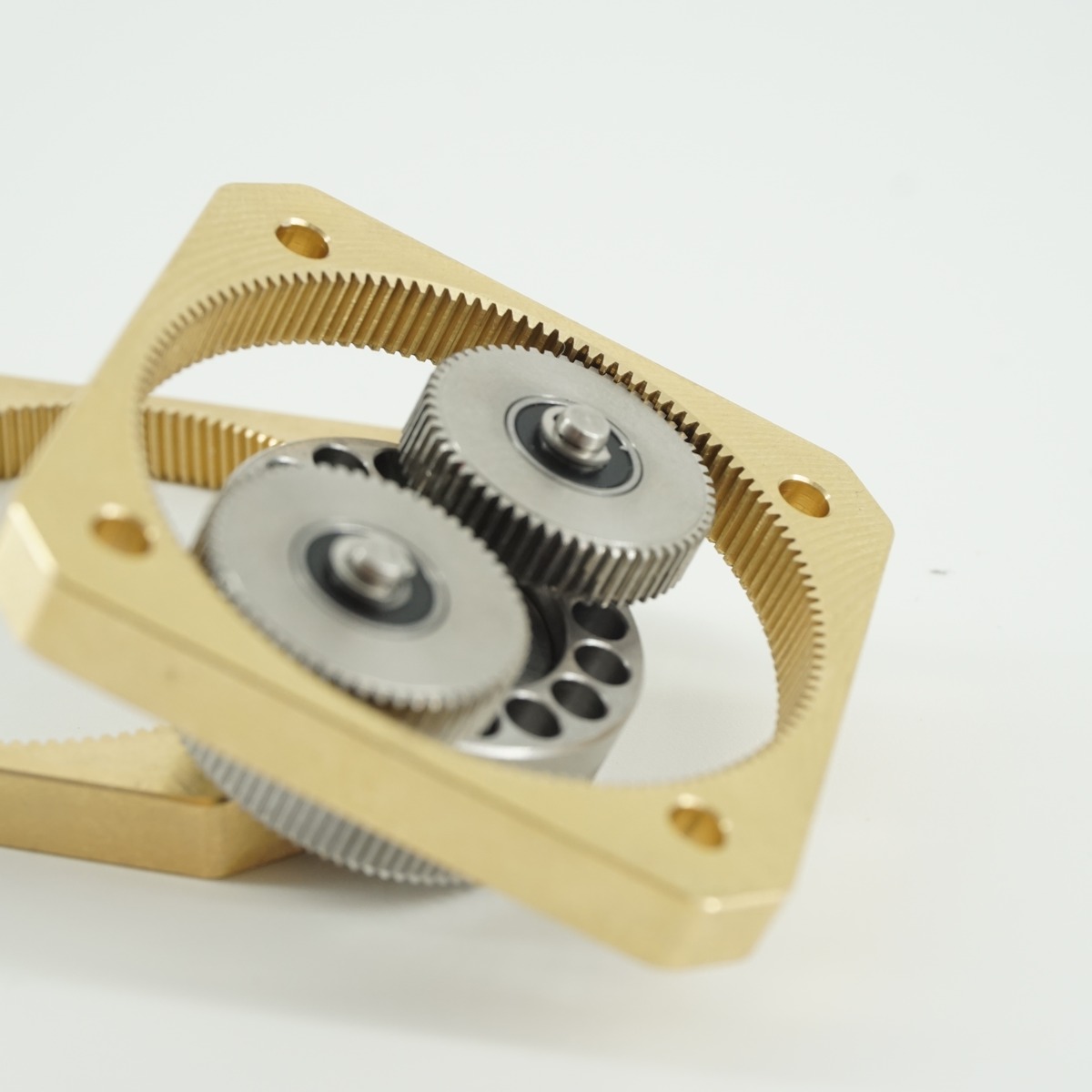
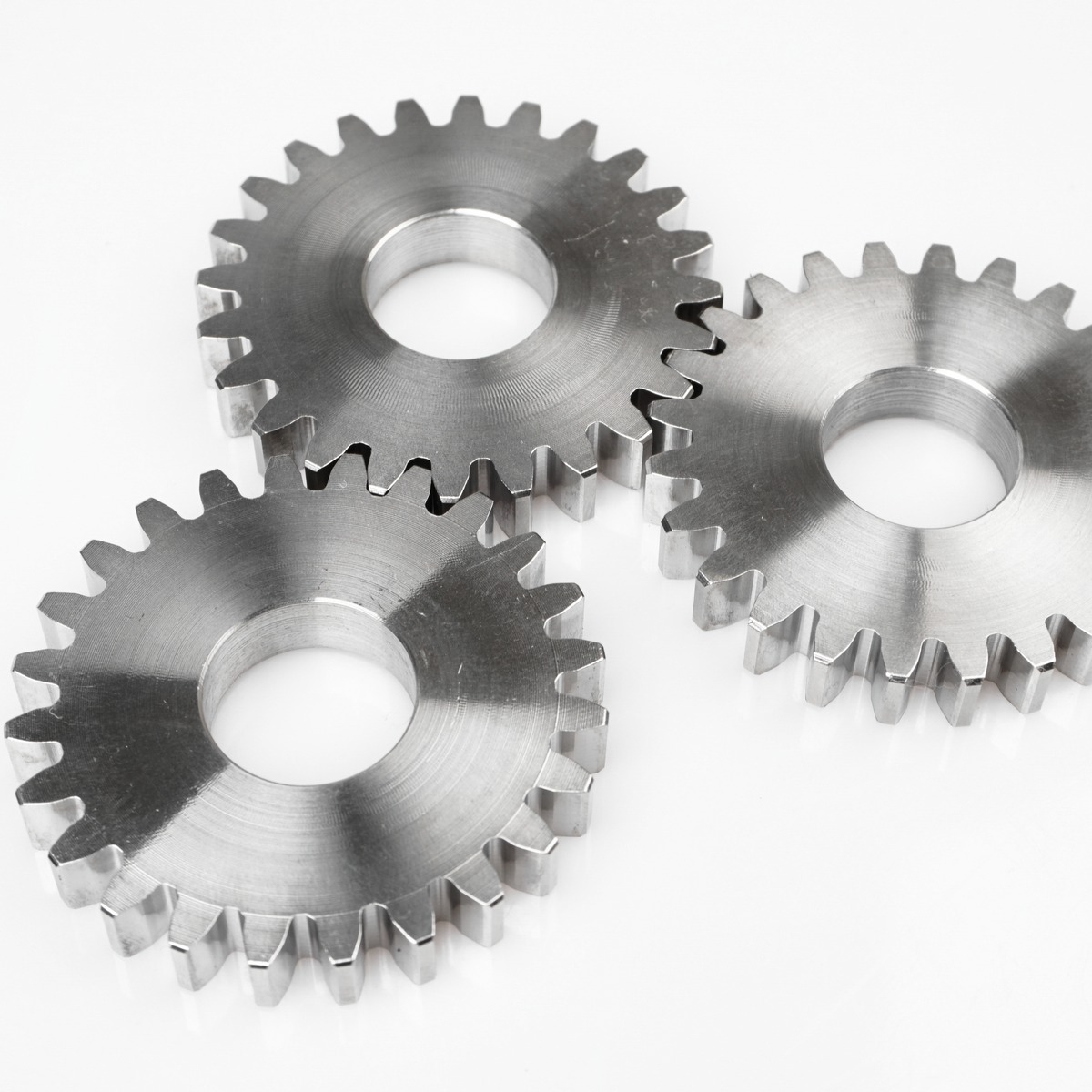
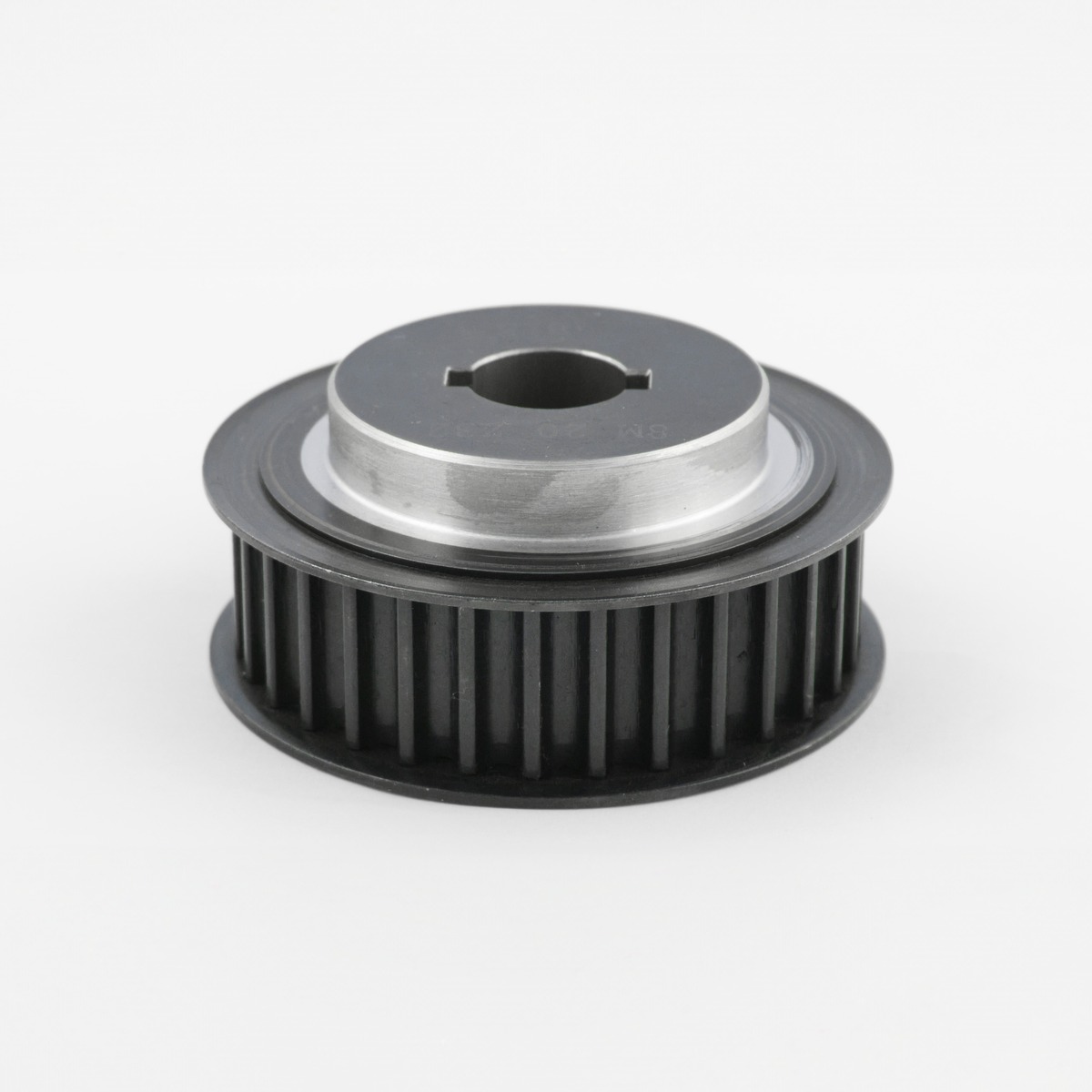
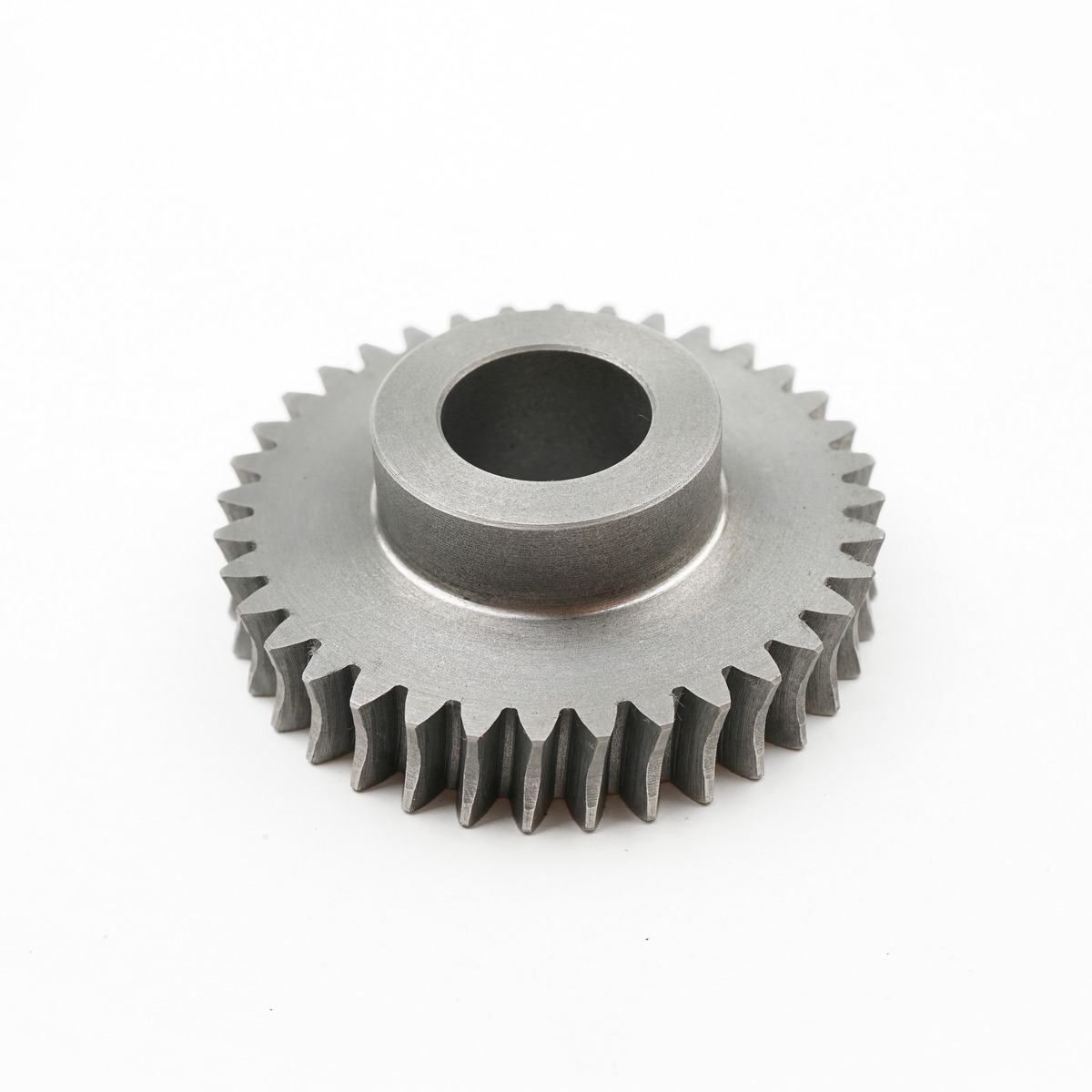
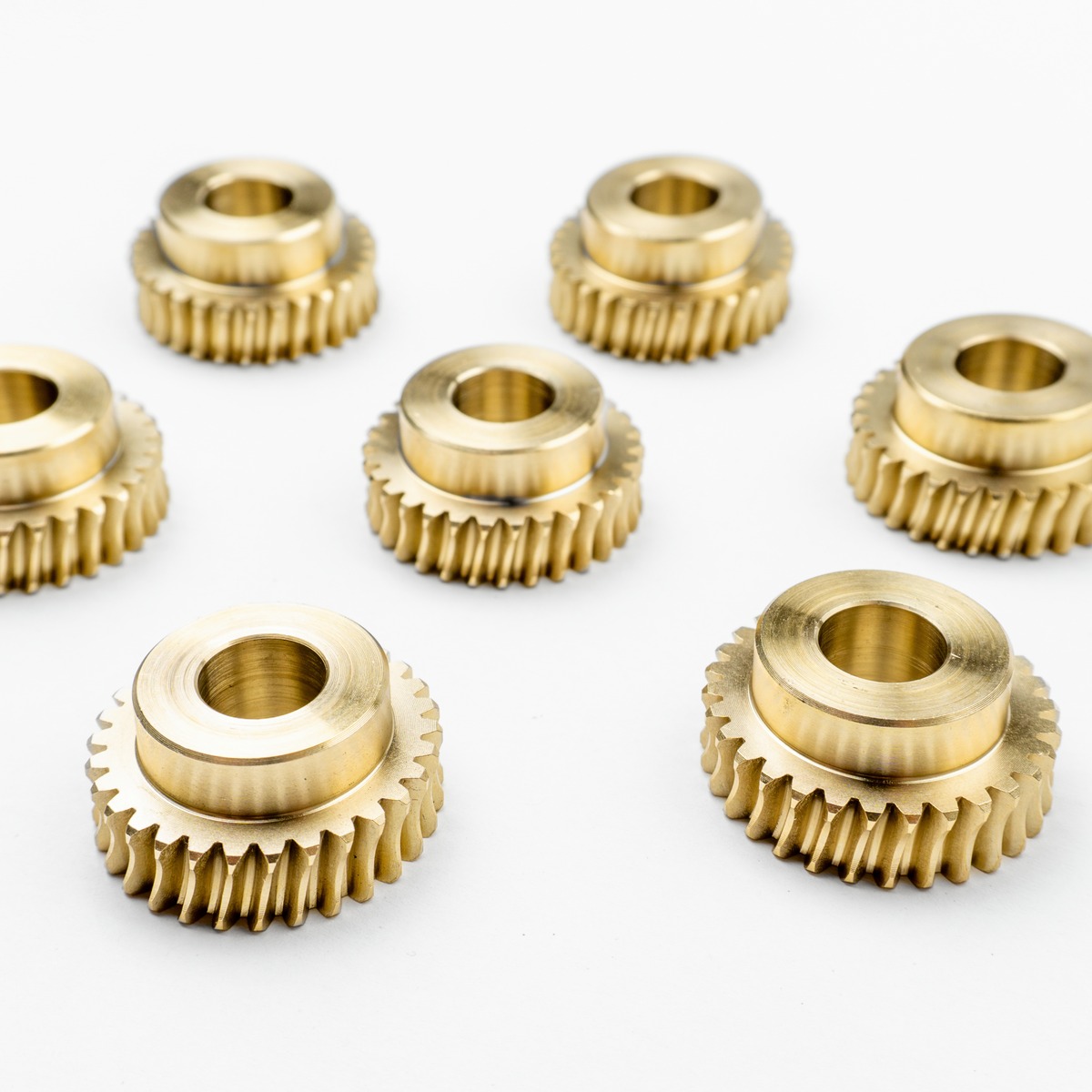
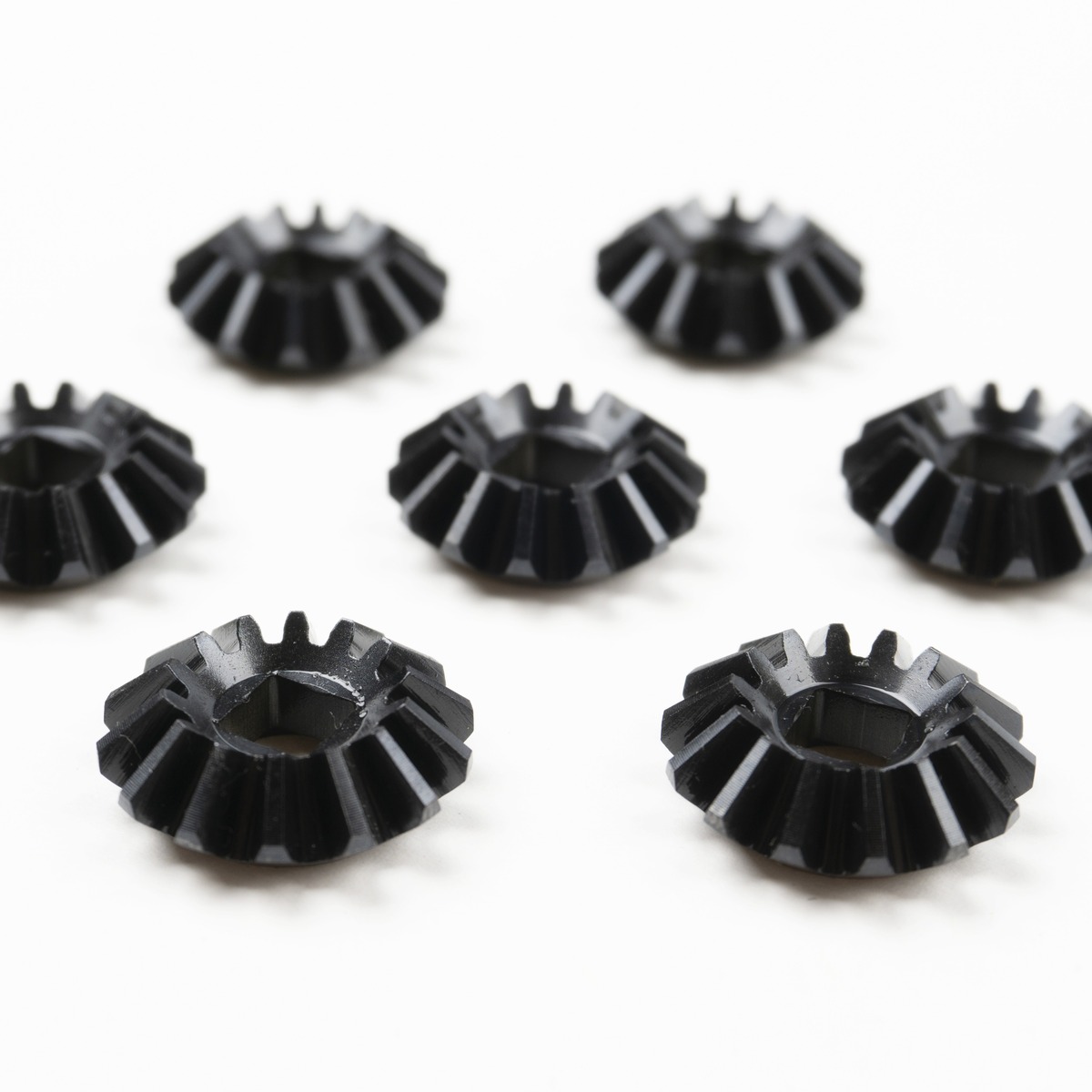
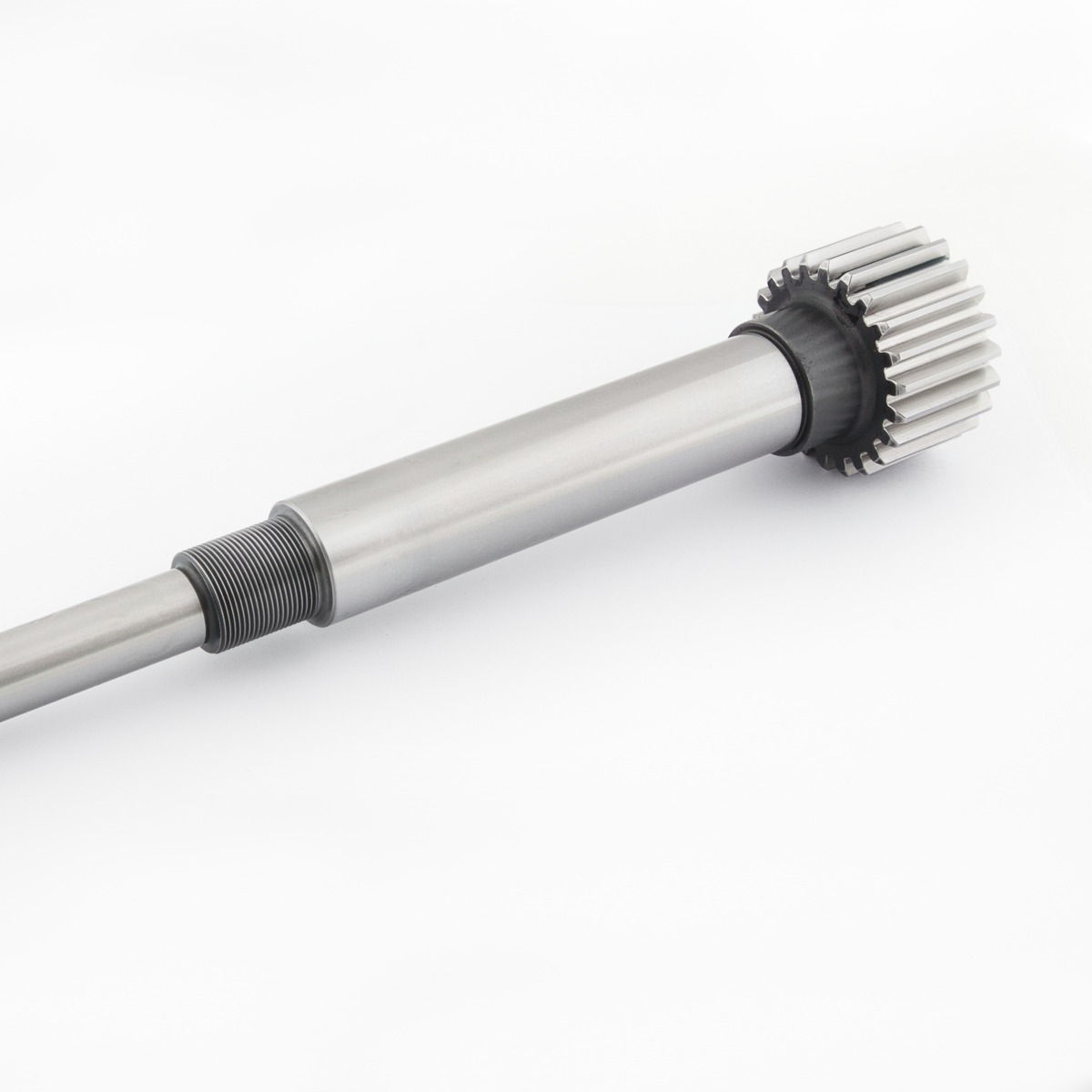
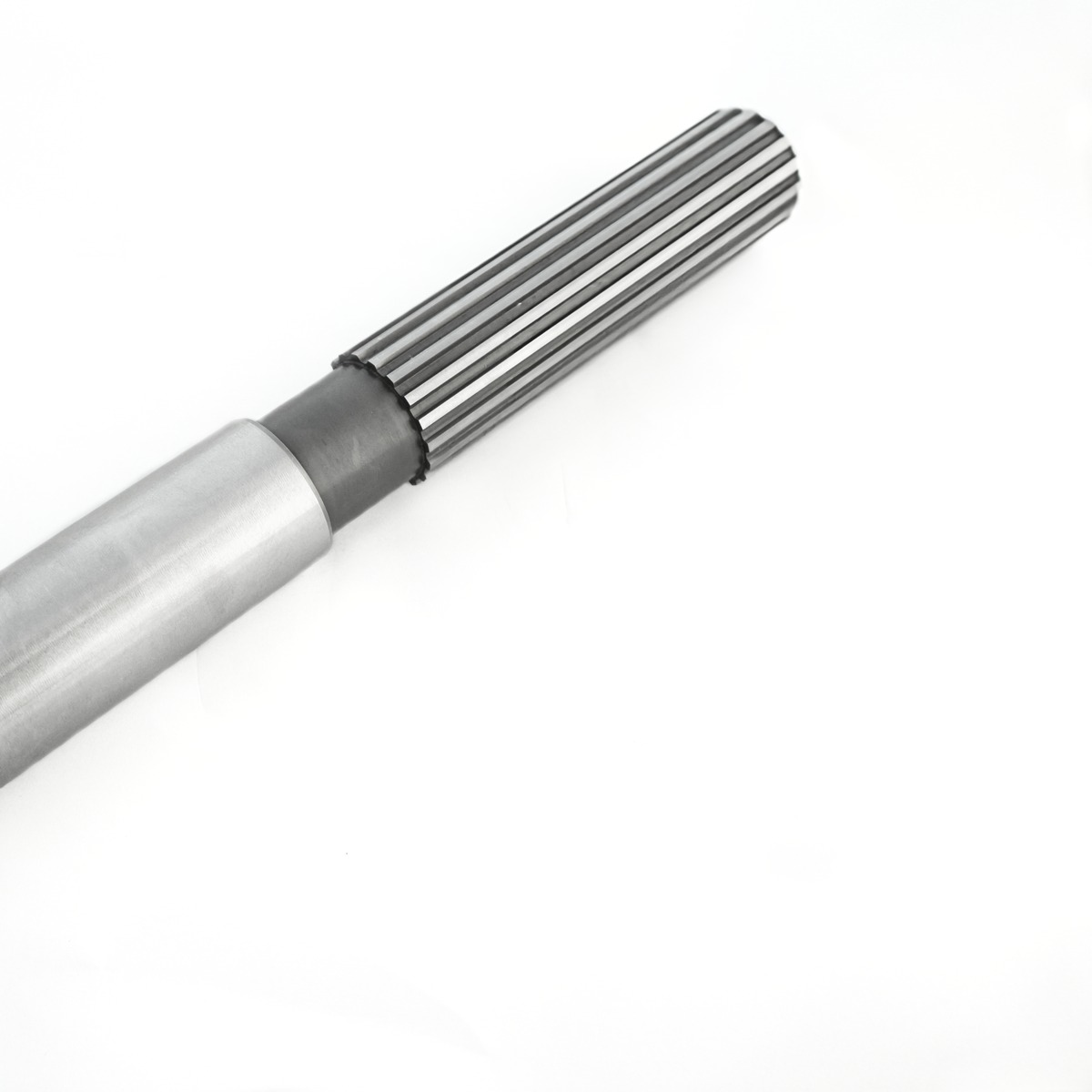
Depending on the application, a wide range of gear types can be manufactured on standalone gears, shafts, hubs, and other rotating components. The most suitable manufacturing process is determined by the component geometry, module, accuracy class, tooth profile, meshing requirements, and any subsequent heat treatment or gear grinding operations.
- Spur and helical gears: straight and helical gears for standard power transmission applications
- Internal gears: for hubs, ring gears, and specialized transmission components
- Bevel gears: for transmitting motion between intersecting shafts
- Worm gears: worms and worm wheels for applications requiring high gear reduction ratios
- Splines and special profiles: involute splines, custom tooth profiles, drive features, and other functional profiles
Gear Machining Capabilities
The gear machining process is selected according to the component type, required accuracy, material, heat treatment requirements, and production volume. Standard machining methods are often sufficient for simpler or lower-precision components, while high-performance transmission parts require specialized gear machining technologies and subsequent finishing operations.
- Gear hobbing: the most common process for manufacturing external spur and helical gears, as well as splines
- Gear shaping: suitable for both external and internal gears, especially where gear hobbing cannot be used
- Broaching: primarily used for internal profiles, splines, and high-volume production
- Form milling: suitable for simpler components, prototypes, and small production batches
- Power skiving: a fast and efficient process for manufacturing both internal and external gears in serial production
- Gear grinding: used to achieve high precision, low noise, and final finishing after heat treatment
- Gear shaving / gear honing / gear lapping: finishing processes used to improve surface quality, gear geometry, and running performance
- Turning and milling of gear blanks: preparation of the basic component geometry before gear cutting
- Bevel gear machining: specialized processes for manufacturing bevel gears according to the transmission design
- Worm and worm wheel machining: specialized machining processes for worm gear drives
- Gear rolling / gear forming: chipless manufacturing processes suitable for selected gear profiles and high-volume production
- Electrical discharge machining (EDM) and other specialized processes: used for specific gear profiles, tooling, and highly complex geometries
Related Manufacturing Processes
Gear machining typically follows the turning or milling of gear blanks and is often followed by heat treatment and finishing operations. For high-precision transmission components, final gear grinding, profile inspection, and subsequent assembly into complete gear systems are often essential.
- CNC Turning
- CNC Milling
- Heat Treatment
- Finishing Machining Processes
- Surface Treatments
What We Need for a Fast Quotation
- Drawing or 3D model: preferably a PDF technical drawing and a 3D model
- Gear type: spur, helical, bevel, internal, worm, or splines
- Basic gear parameters: module, number of teeth, pressure angle, face width, tooth orientation, and, where applicable, profile modifications
- Material: specified material grade or required mechanical properties
- Required accuracy: functional tolerances, accuracy class, noise requirements, and running performance
- Production quantity: number of parts, batch size, and information about recurring production
- Additional operations: heat treatment, gear grinding, gear inspection, surface finishing, or assembly
Why Is Manufacturing with PARTORY More Efficient?
40% Material Cost Savings: We purchase materials in bulk across our entire supplier network, giving you access to pricing that individual buyers typically cannot achieve.
Always the Right Manufacturing Technology: Our AI-powered platform automatically matches your project with the production equipment best suited for your component. You only pay for the machining capacity your part actually requires.
Hassle-Free Logistics: We manage just-in-time deliveries, safety stock, and complete transportation coordination.
These advantages help reduce your sourcing and manufacturing costs by at least 15%.
Where Do the Cost Savings Come From?
We reduce sourcing and manufacturing costs by at least 15% through:
Do You Have Your Documentation Ready?
Send us your drawing, 3D model, or technical requirements at rfq@partory.com. We will review the manufacturing options and get back to you with the next steps.
Prefer to Discuss Your Project First?
Register with PARTORY and we’ll contact you to review your project, discuss your documentation, and identify any additional information needed to prepare an accurate quotation.
FAQ
- What is the difference between gear hobbing, gear shaping, and gear grinding?
Gear hobbing and gear shaping are used to generate the gear teeth, while gear grinding is a finishing process used to achieve higher accuracy, improved running performance, and lower noise levels. - Can you manufacture internal gears?
Yes. Depending on the component geometry, we can manufacture internal gears as well as splines. - When is gear grinding required?
Gear grinding is typically required when high demands are placed on accuracy, noise reduction, service life, or when the component has undergone heat treatment. - Can you supply heat-treated gears?
Yes. We can also provide heat treatment, finishing operations, and final gear inspection. - What information do you need to prepare a quotation?
Ideally, we require a technical drawing or 3D model, the basic gear parameters, material specification, production quantity, and the required accuracy. - Do you manufacture prototypes as well as serial production?
Yes. Depending on the gear type and manufacturing process, we can produce prototypes, one-off components, and recurring serial production. - Can you recommend the most suitable gear machining process?
Yes. Based on the component geometry, material, required accuracy, and production volume, we can recommend the most appropriate gear machining process and any required subsequent manufacturing operations.