

Bending
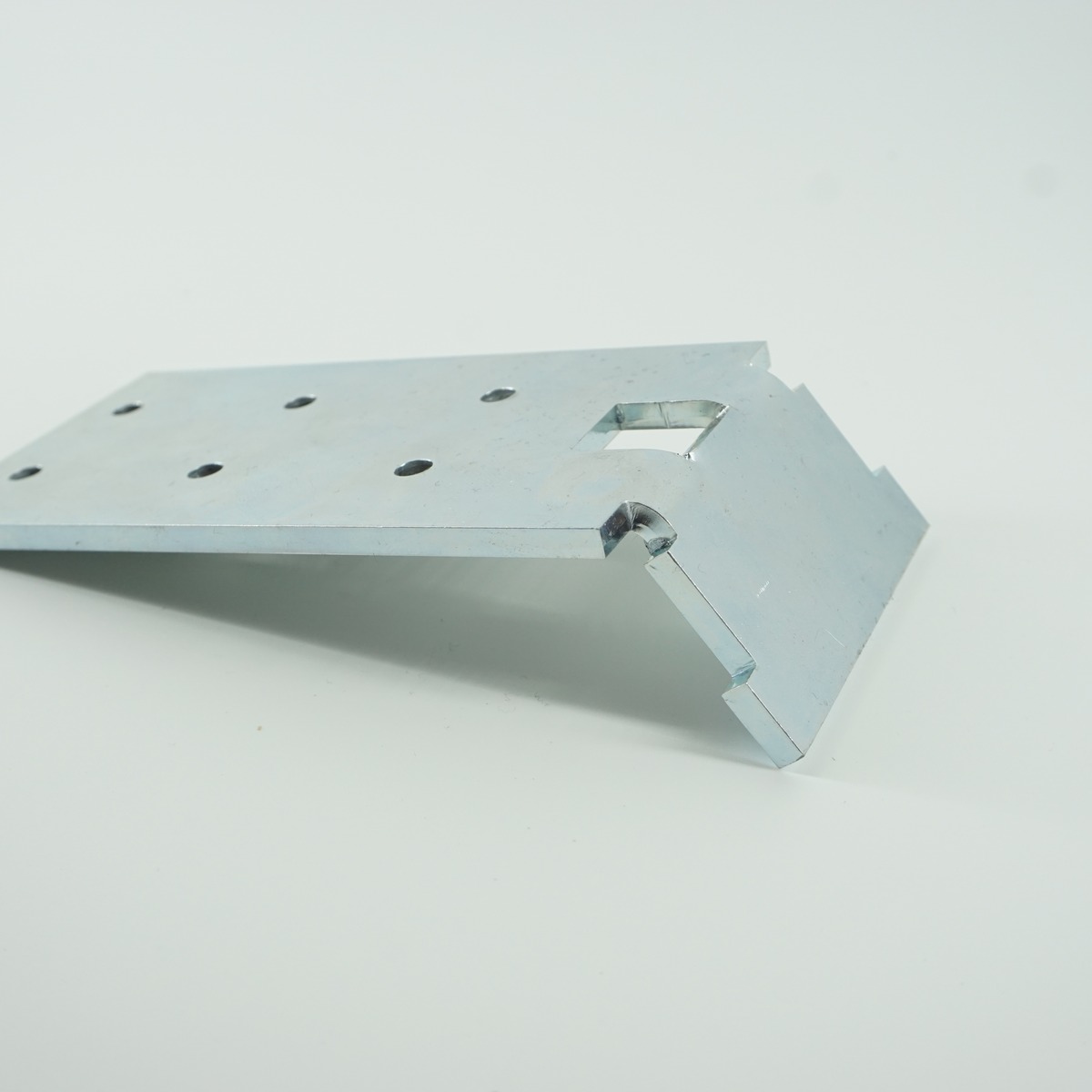
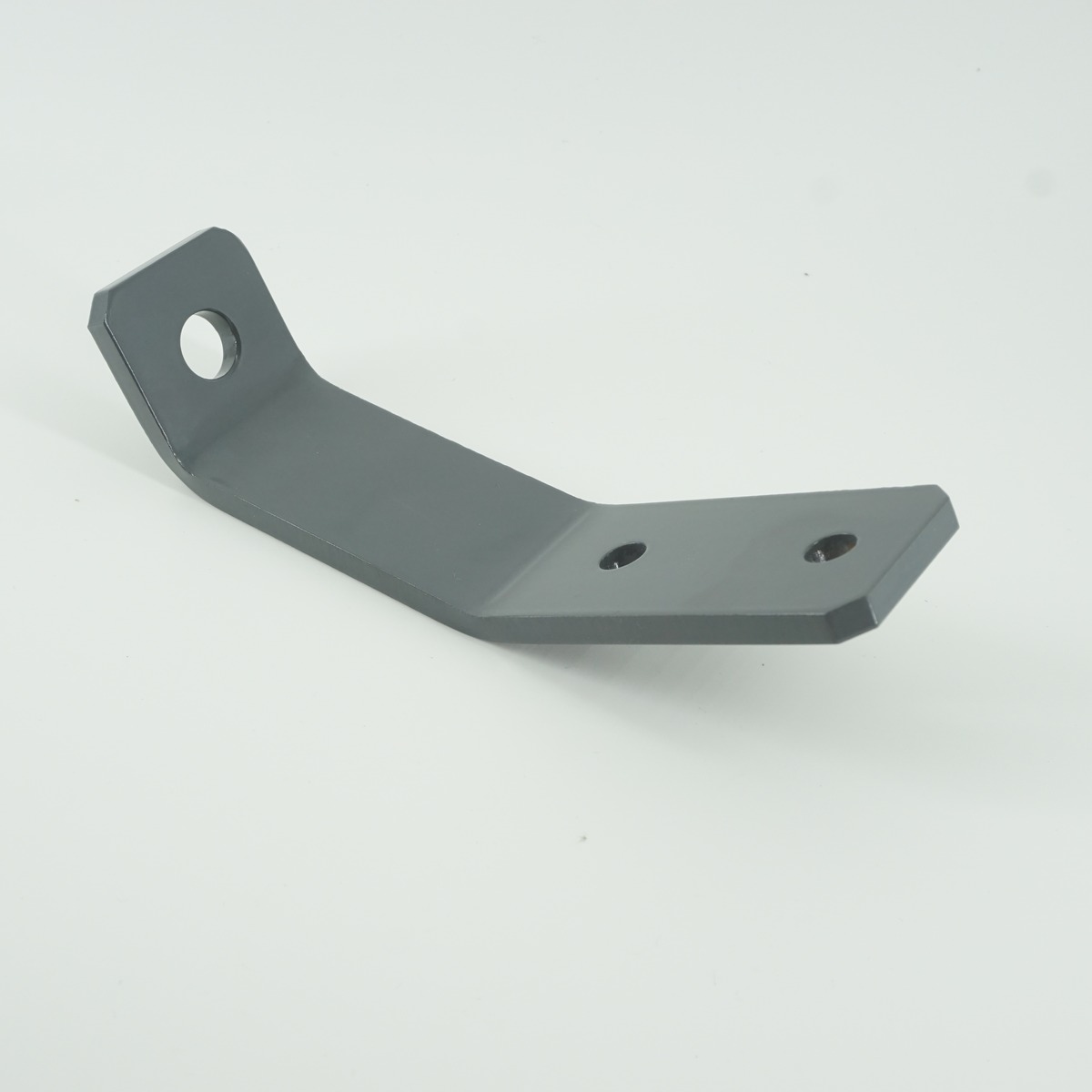
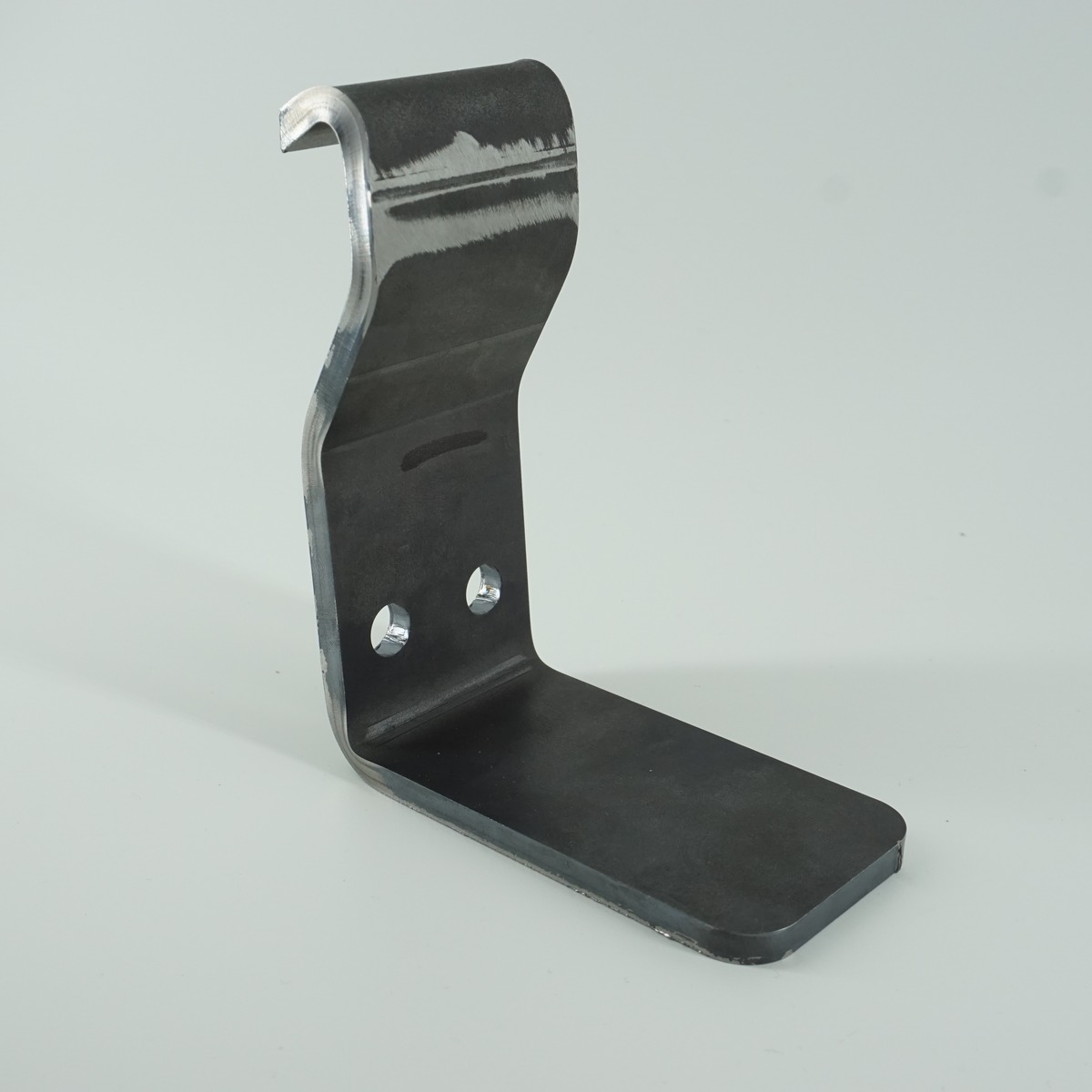
Bending is used to manufacture brackets, supports, covers, enclosures, reinforcements, bent profiles, tubes, and other formed metal components.
What Can We Manufacture with This Technology
- Typical components: brackets, supports, covers, enclosures, reinforcements, profiles, panels, and other formed metal components
- Maximum bending length: depending on machine capacity, typically up to 3,000 mm, with selected production partners offering lengths of up to 12,000 mm
- Maximum material thickness: depending on the material and bending length, ranging from thin sheet metal to heavy structural components
- Typical tolerances: depending on the material, part length, and number of bends, typically within a few tenths of a millimeter
- Number of bends / part complexity: from simple L- and U-shaped profiles to complex multi-bend components and enclosures
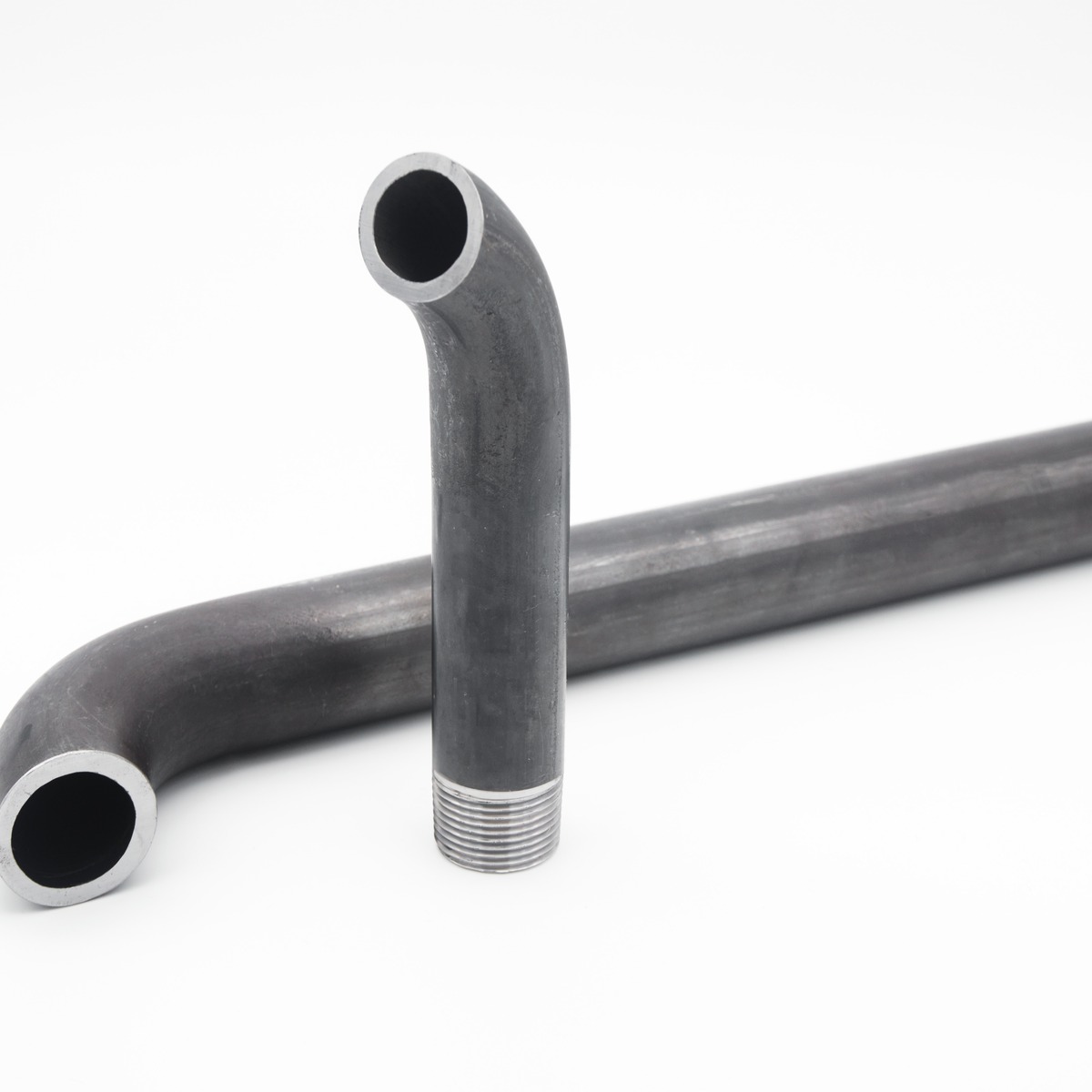
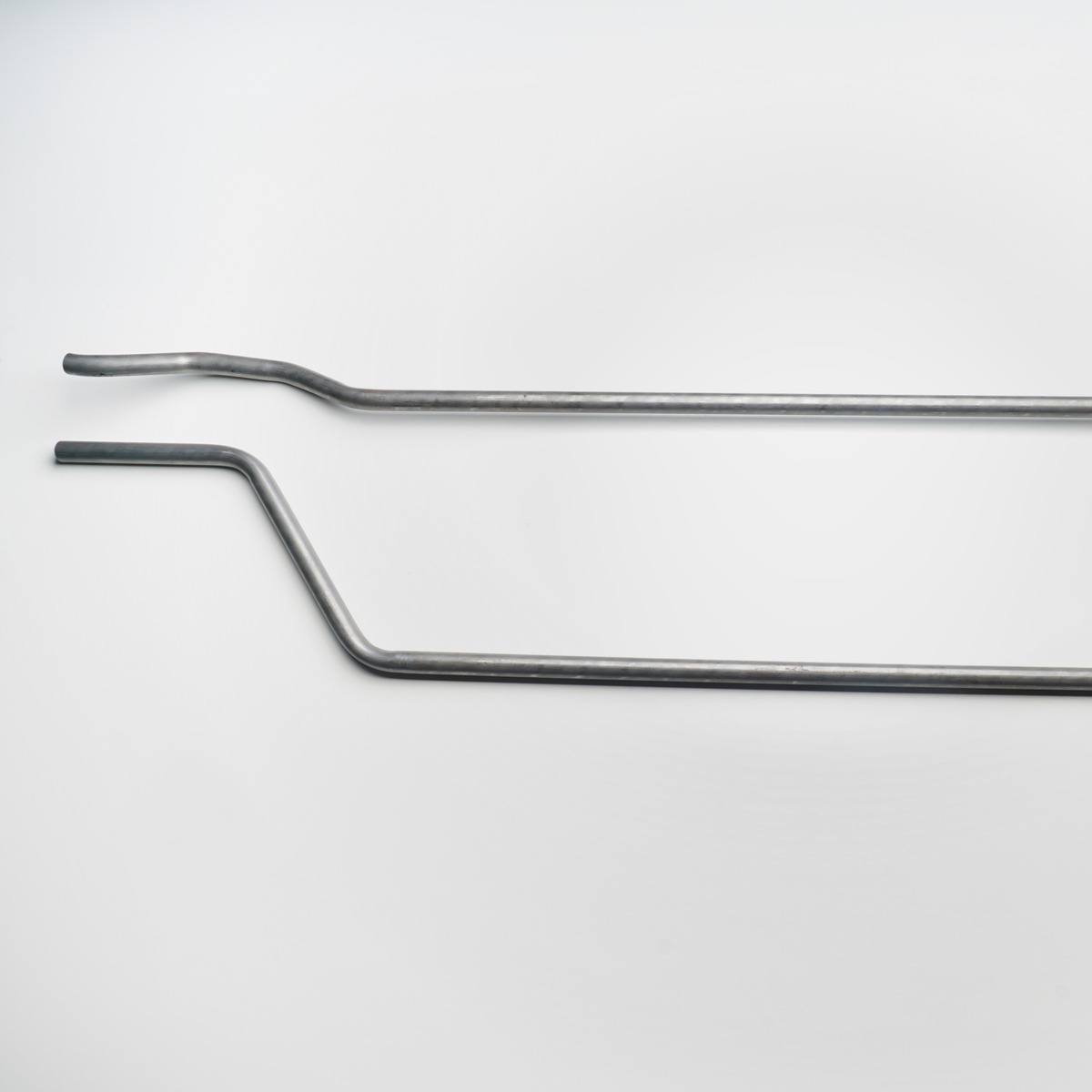
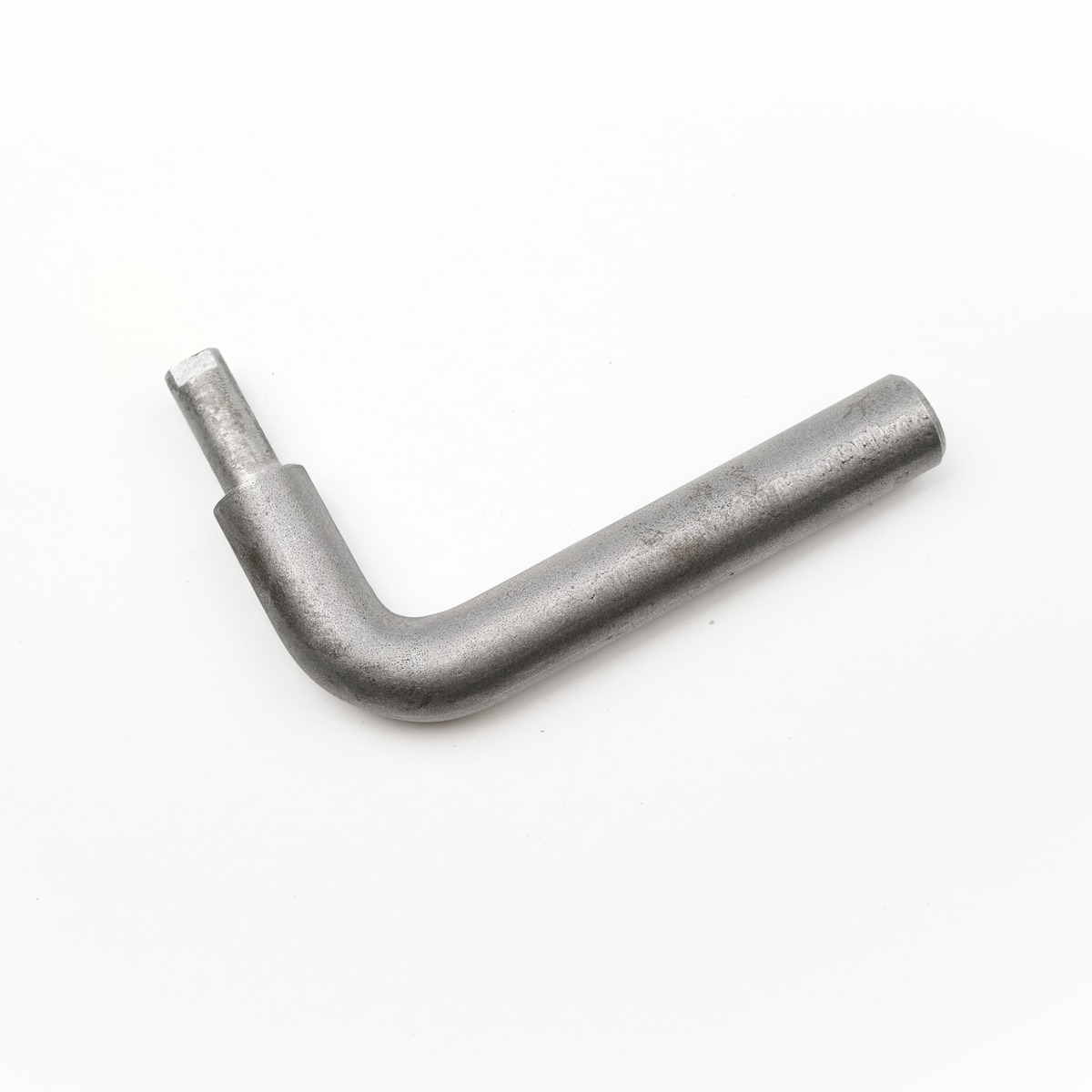
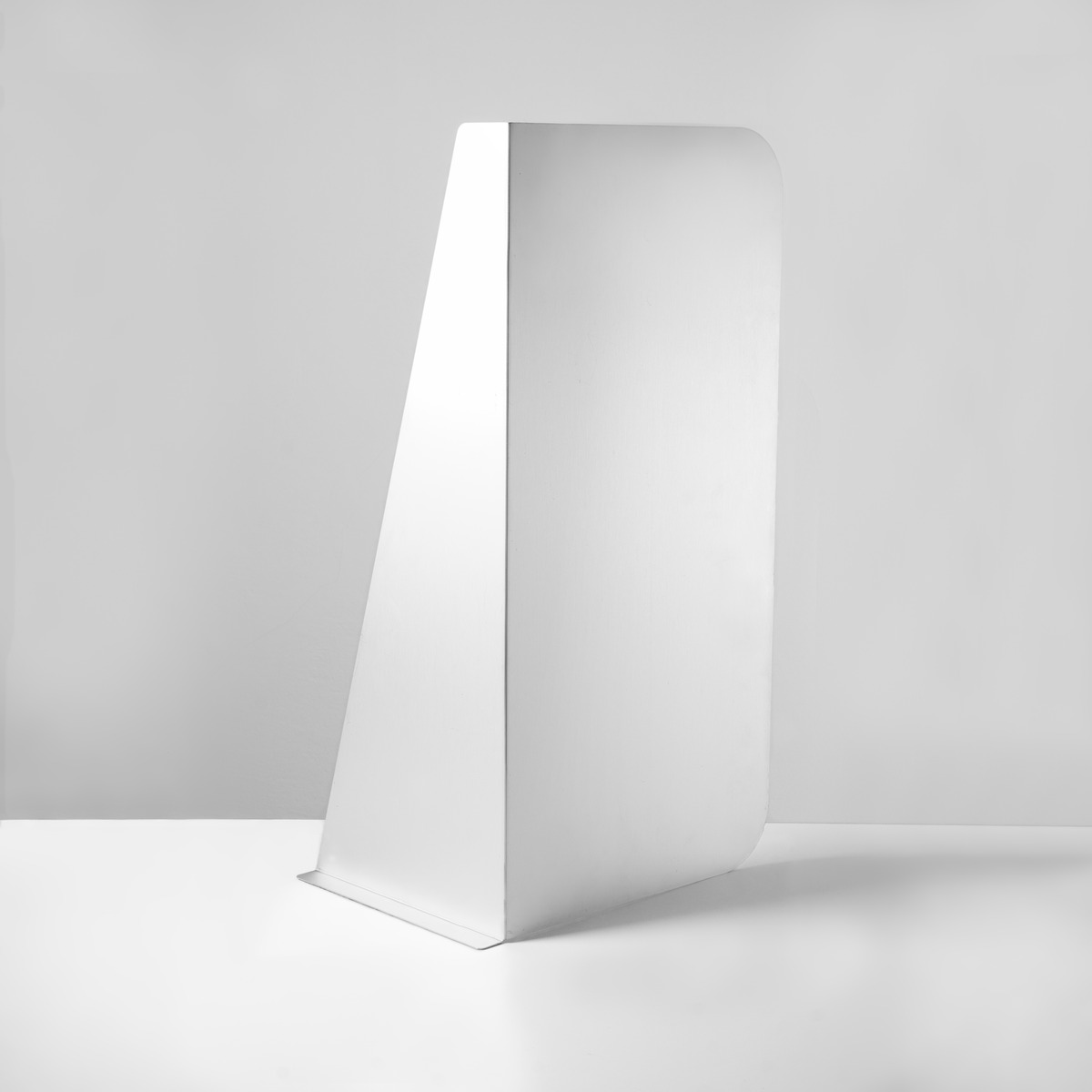
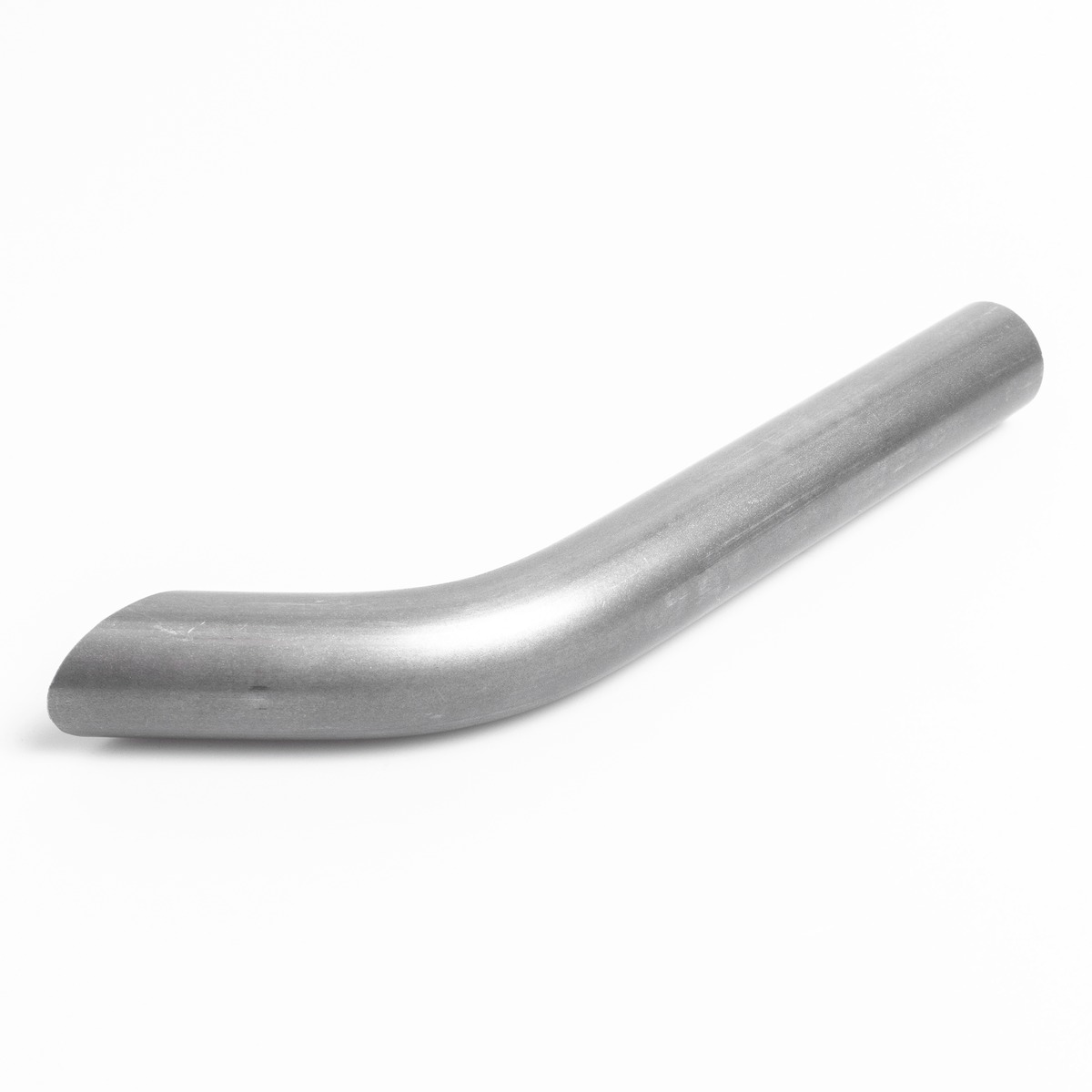
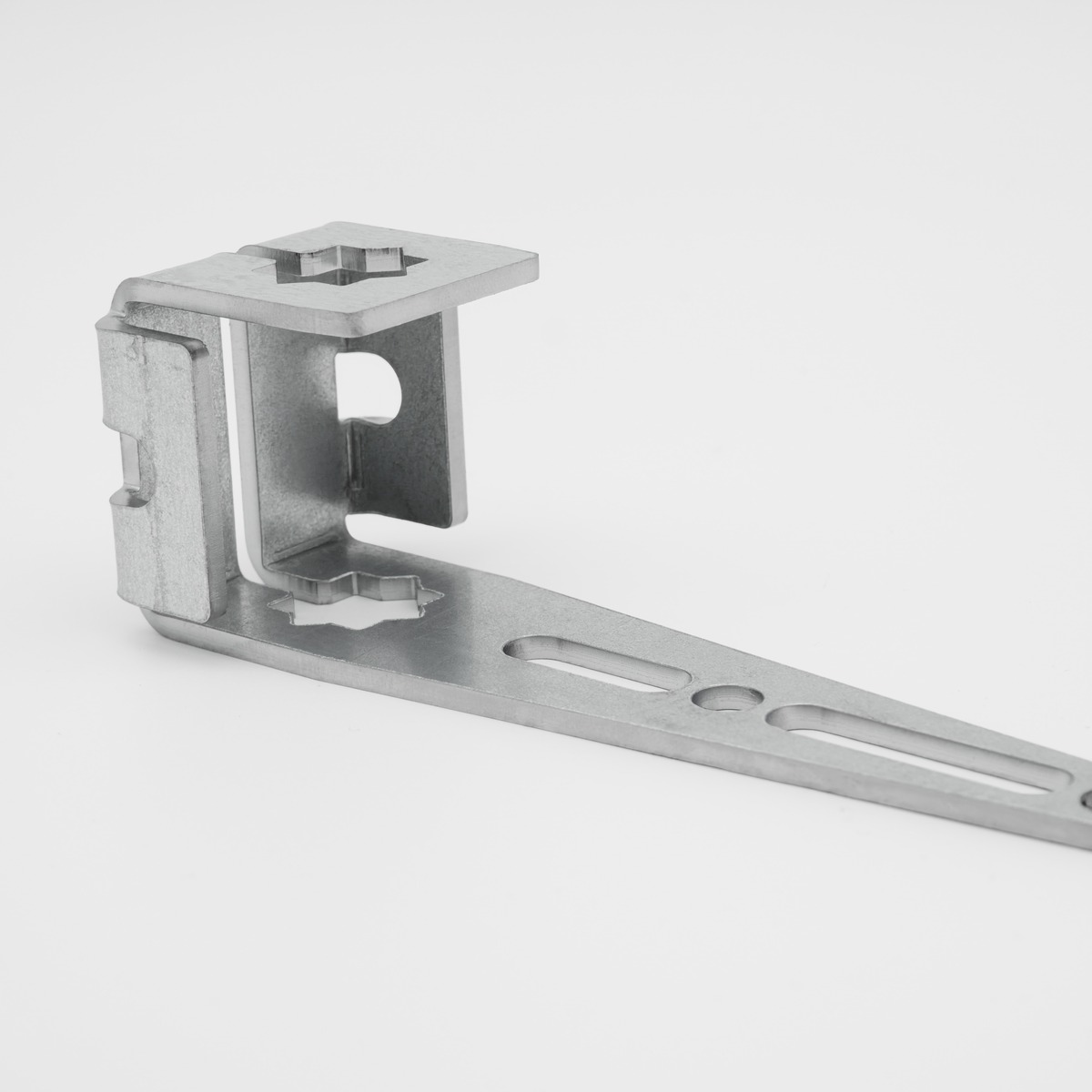
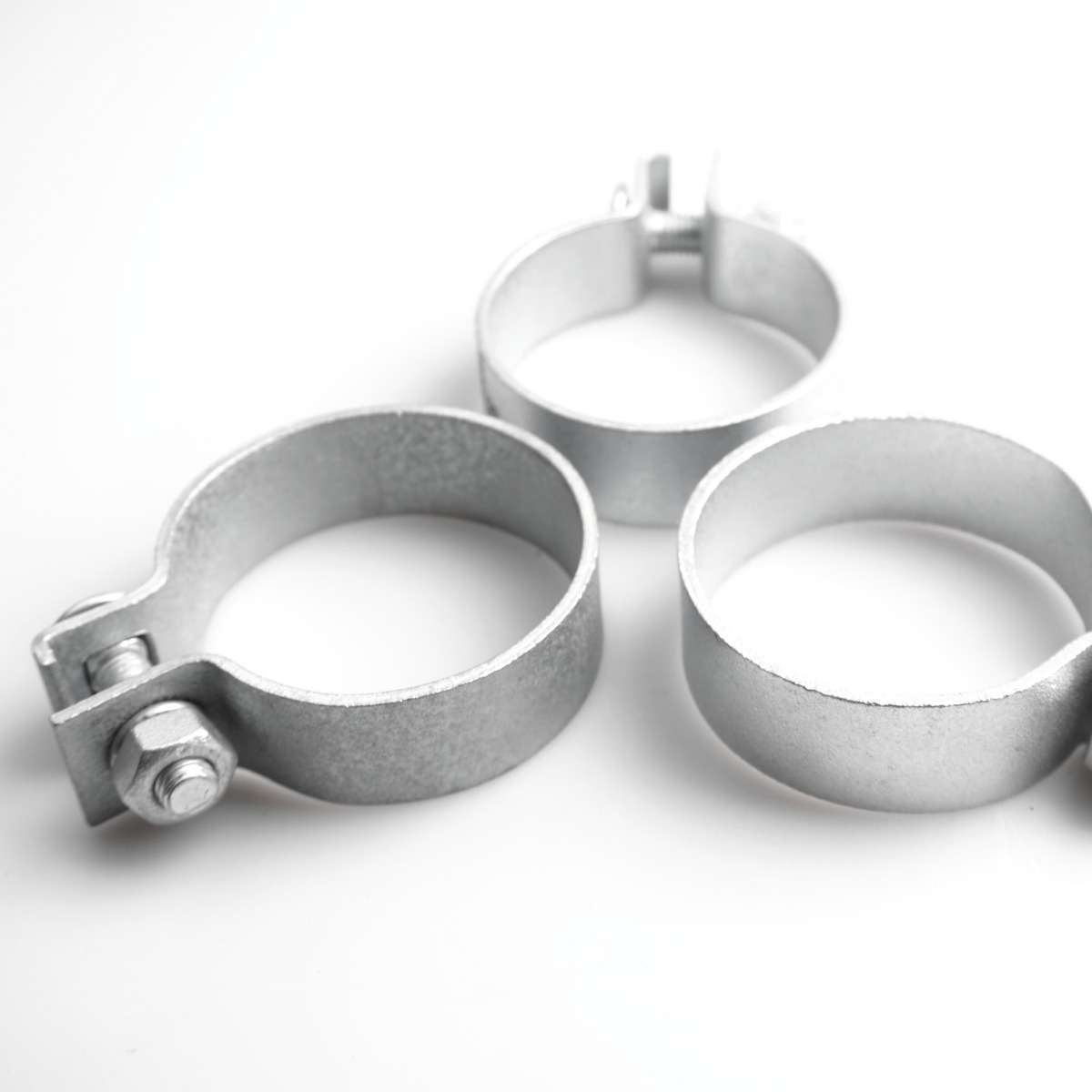
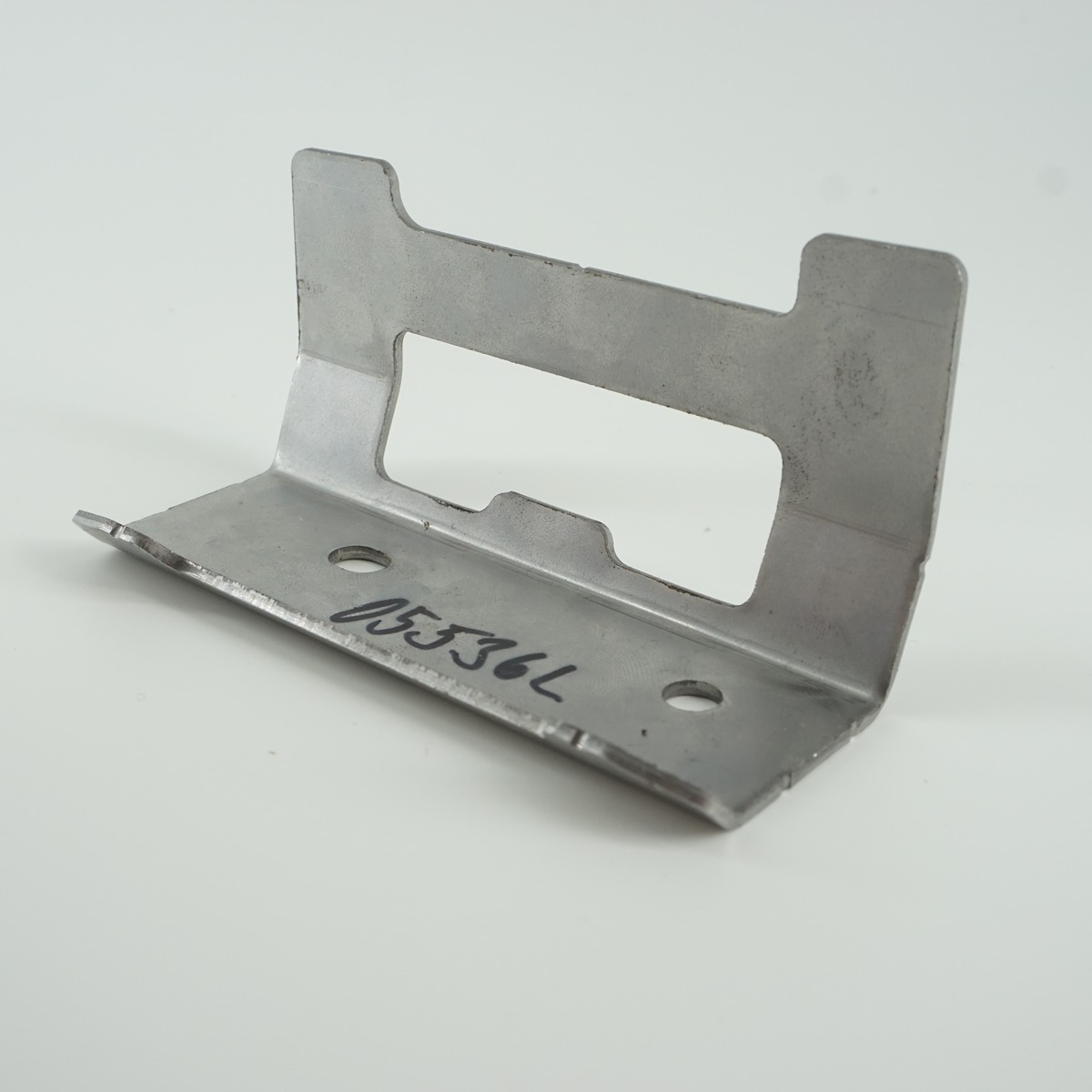
Typical Materials and Manufacturing Capabilities
The bending process is selected according to the material thickness, required bend radius, angular accuracy, and overall component design. For bent components, it is essential to optimize the relationship between the cut blank, bending sequence, tolerance stack-up, and the component’s assembly function.
- Steel / stainless steel / aluminum: standard sheet metal materials for both functional and cosmetic components, selected according to the required strength, geometry, and application
- Minimum bend radii: determined by the material, sheet thickness, rolling direction, and cosmetic requirements; typically starting from a bend radius equal to 1× the material thickness, with 0.8× the material thickness achievable for selected applications
- Grain direction and deformation: evaluated based on blank orientation, the risk of cracking, material springback, and compatibility with subsequent manufacturing processes
- Countersunk features / press-fit fasteners: integration of press-fit fasteners, threaded inserts, and other assembly features as required
- Marking and assembly preparation: part marking, sorting, kit assembly, and preparation for assembly or subsequent manufacturing processes
Related Manufacturing Processes
Bending typically follows laser cutting and is often followed by welding or surface finishing.
- Laser cutting
- Welding
- Surface Treatments
What We Need for a Fast Quotation
- Technical drawing or 3D model: PDF technical drawing, STEP model, and preferably reference dimensions after bending
- Flat pattern / DXF: preferably a DXF file of the flat pattern, or the necessary data to generate one
- Material and thickness: specified material, material grade, sheet thickness, and any acceptable alternatives
- Critical angles and dimensions: functional bend angles, critical dimensions, tolerances, and surfaces essential for assembly
- Production quantity: quantity required, batch size, and information about recurring production
- Additional operations: press-fit fasteners, welding, surface finishing, marking, or assembly
Why Is Manufacturing with PARTORY More Efficient?
40% Material Cost Savings: We purchase materials in bulk across our entire supplier network, giving you access to pricing that individual buyers typically cannot achieve.
Always the Right Manufacturing Technology: Our AI-powered platform automatically matches your project with the production equipment best suited for your component. You only pay for the machining capacity your part actually requires.
Hassle-Free Logistics: We manage just-in-time deliveries, safety stock, and complete transportation coordination.
These advantages help reduce your sourcing and manufacturing costs by at least 15%.
Where Do the Cost Savings Come From?
We reduce sourcing and manufacturing costs by at least 15% through:
Do You Have Your Documentation Ready?
Send us your drawing, 3D model, or technical requirements at rfq@partory.com. We will review the manufacturing options and get back to you with the next steps.
Prefer to Discuss Your Project First?
Register with PARTORY and we’ll contact you to review your project, discuss your documentation, and identify any additional information needed to prepare an accurate quotation.
FAQ
- Can you provide a flat pattern?
Yes. If you do not have a finished flat pattern, we can create one based on your technical drawing, 3D model, or the final dimensions of the component. - How do you ensure accuracy after multiple bends?
We take into account the material, thickness, bending sequence, and material springback. For functional components, critical dimensions are evaluated during production planning to ensure the required accuracy. - Can you install press-fit fasteners?
Yes. Depending on your requirements, we can install press-fit nuts, threaded inserts, standoffs, and other fastening components. - Can you also provide welding and painting?
Yes. In addition to bending, we can provide subsequent manufacturing processes such as welding, grinding, and surface finishing, including powder coating or wet painting.