

Heat Treatment
Heat treatment is used to modify the mechanical properties of a component, such as hardness, strength, toughness, and wear resistance. It is applied to both simple machine parts and precision-machined components where specific material properties are required for the final application. Heat treatment often follows machining, welding, or forming and plays a critical role in achieving the required performance of the finished component.
What Can We Manufacture with This Technology?
- Typical components: shafts, pins, gears, bushings, tooling components, springs, and other highly stressed parts
- Heat treatment processes: hardening, quenching and tempering, annealing, carburizing, nitriding, tempering, and other processes selected according to the application requirements
- Part size: from small precision components to large machine parts
- Required properties: hardness, strength, toughness, wear resistance, and material stability
- Production volumes: prototype production, small batches, and recurring serial production
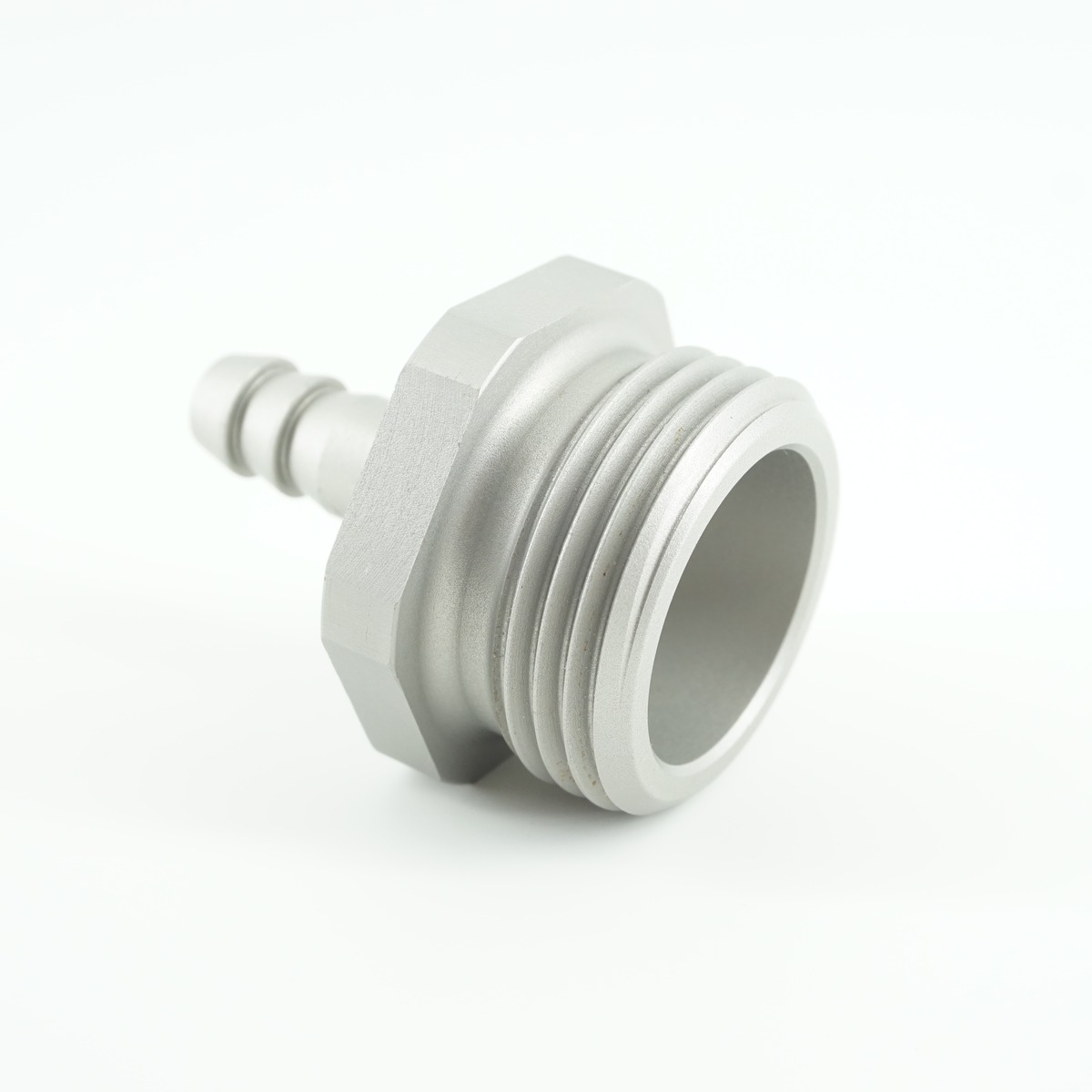
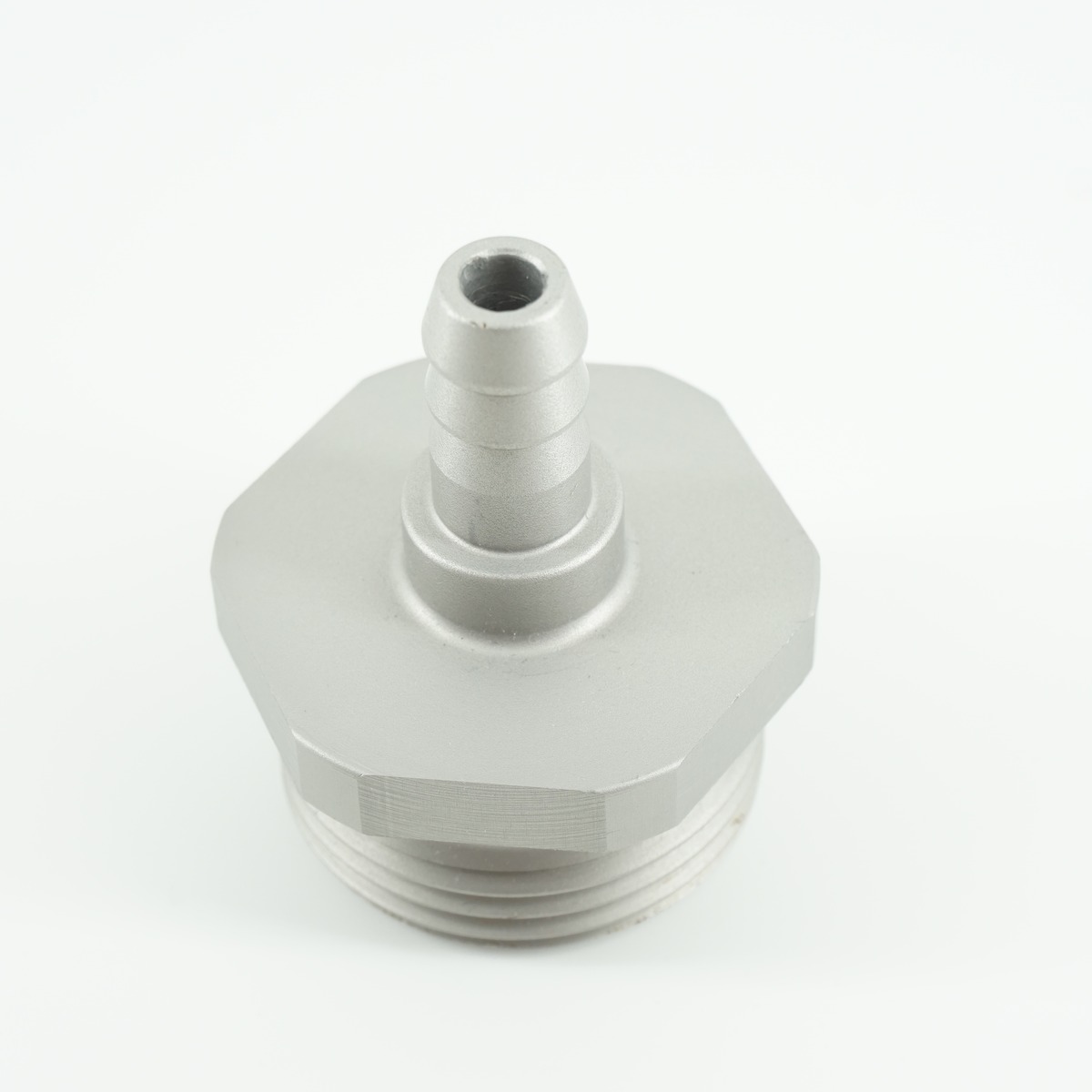
Typical Materials and Manufacturing Capabilities
The appropriate heat treatment process is selected according to the material, part geometry, required mechanical properties, and subsequent manufacturing operations. For engineering components, it is essential to consider not only the target hardness or strength, but also potential distortion, machining allowances, case depth, and the component’s intended application.
- Materials: carbon steels, tool steels, alloy steels, stainless steels, and other materials selected according to the required heat treatment process
- Hardening / quenching and tempering / annealing / nitriding / carburizing: the appropriate process is selected according to the required mechanical properties of the component
- Hardness / case depth / distortion: carefully controlled according to the component’s function and subsequent machining requirements
- Additional operations: grinding, straightening, finish machining, hardness testing, or surface finishing
- Quality control and documentation: hardness testing, case depth inspection, inspection reports, and other documentation as required by the project
Related Manufacturing Processes
Heat treatment typically follows machining or forming and is often an intermediate step before the final finishing of a component. It is commonly followed by grinding, finish machining, dimensional inspection, or surface finishing, depending on the required performance and application of the component.
- CNC Turning
- CNC Milling
- Finishing Machining Processes
- Surface treatments
What We Need for a Fast Quotation
- Drawing or 3D model: PDF technical drawing, optionally accompanied by a 3D model and identification of functional surfaces
- Material: specified material grade or applicable material standard
- Required properties: target hardness, strength, toughness, or other functional requirements
- Heat treatment scope: the entire component or only selected surfaces or case-hardened areas
- Production quantity: number of parts, batch size, and information about recurring production
- Additional operations: grinding, straightening, machining, surface finishing, or assembly
FAQ
- When is heat treatment required?
Heat treatment is used when a component must meet specific requirements for hardness, strength, toughness, or wear resistance. - Can you recommend the most suitable heat treatment process?
Yes. Based on the material, part geometry, functional surfaces, and intended application, we can recommend the most appropriate heat treatment process. - Can you supply fully finished components?
Yes. In addition to heat treatment, we can also provide grinding, finish machining, and surface finishing. - What information do you need to prepare a quotation?
Ideally, we require a technical drawing, material specification, required mechanical properties, production quantity, and information about any subsequent manufacturing operations. - Do you provide hardness testing and quality documentation?
Yes. Depending on the project requirements, we can provide hardness testing, case depth inspection, and all required inspection reports. - Should distortion be considered during heat treatment?
Yes. Certain heat treatment processes may cause dimensional changes or distortion. This should be taken into account during the manufacturing planning stage to ensure the required final accuracy.