

Forging
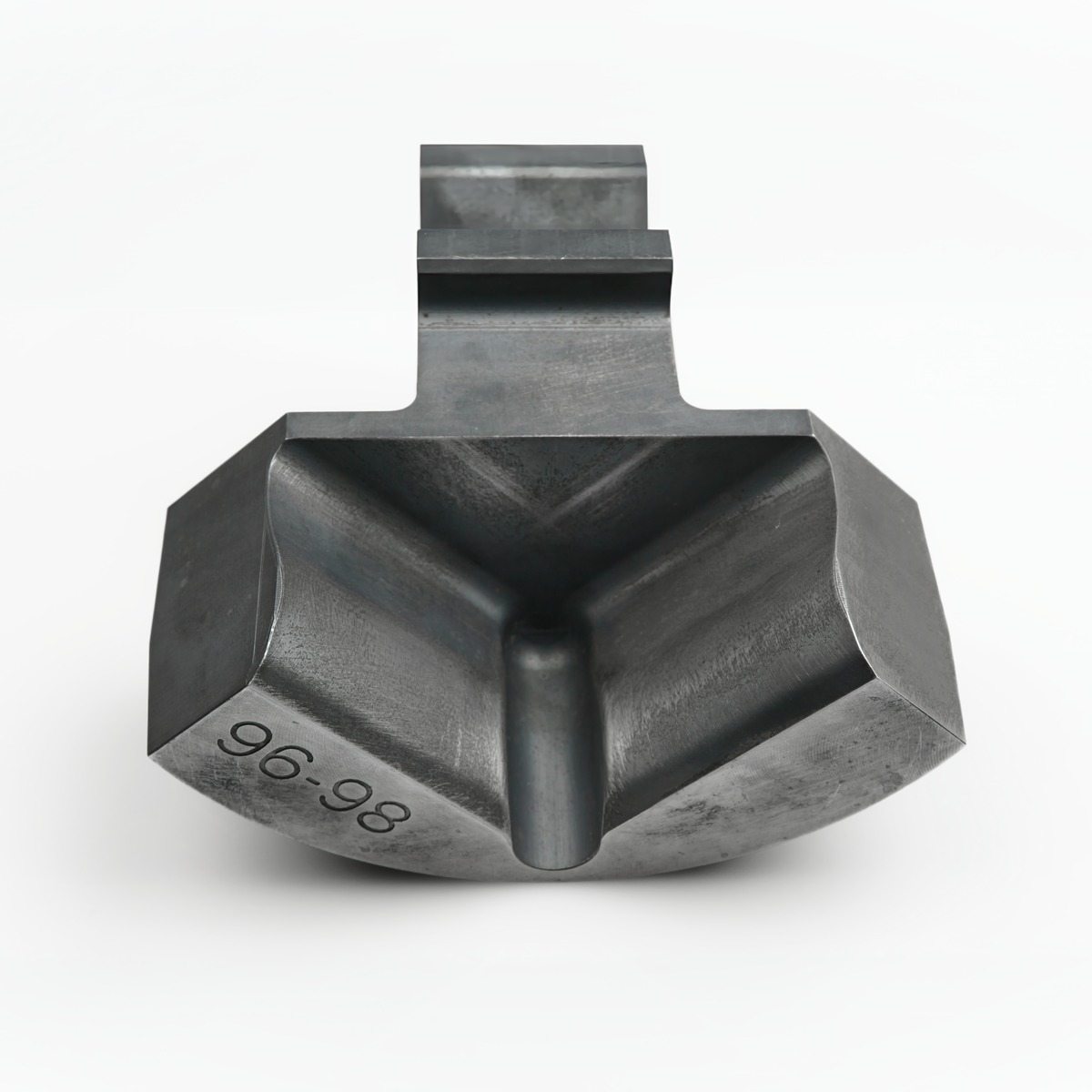
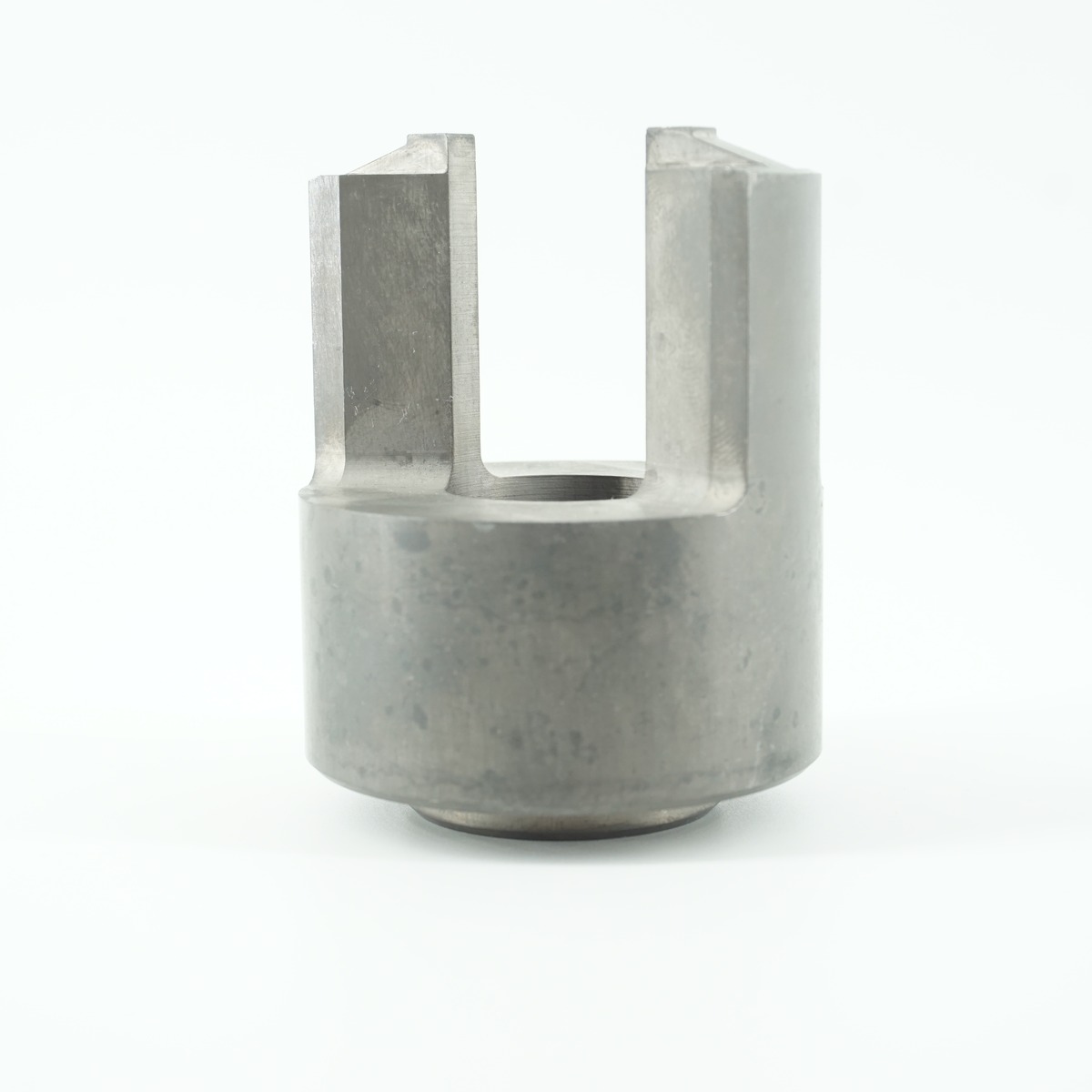
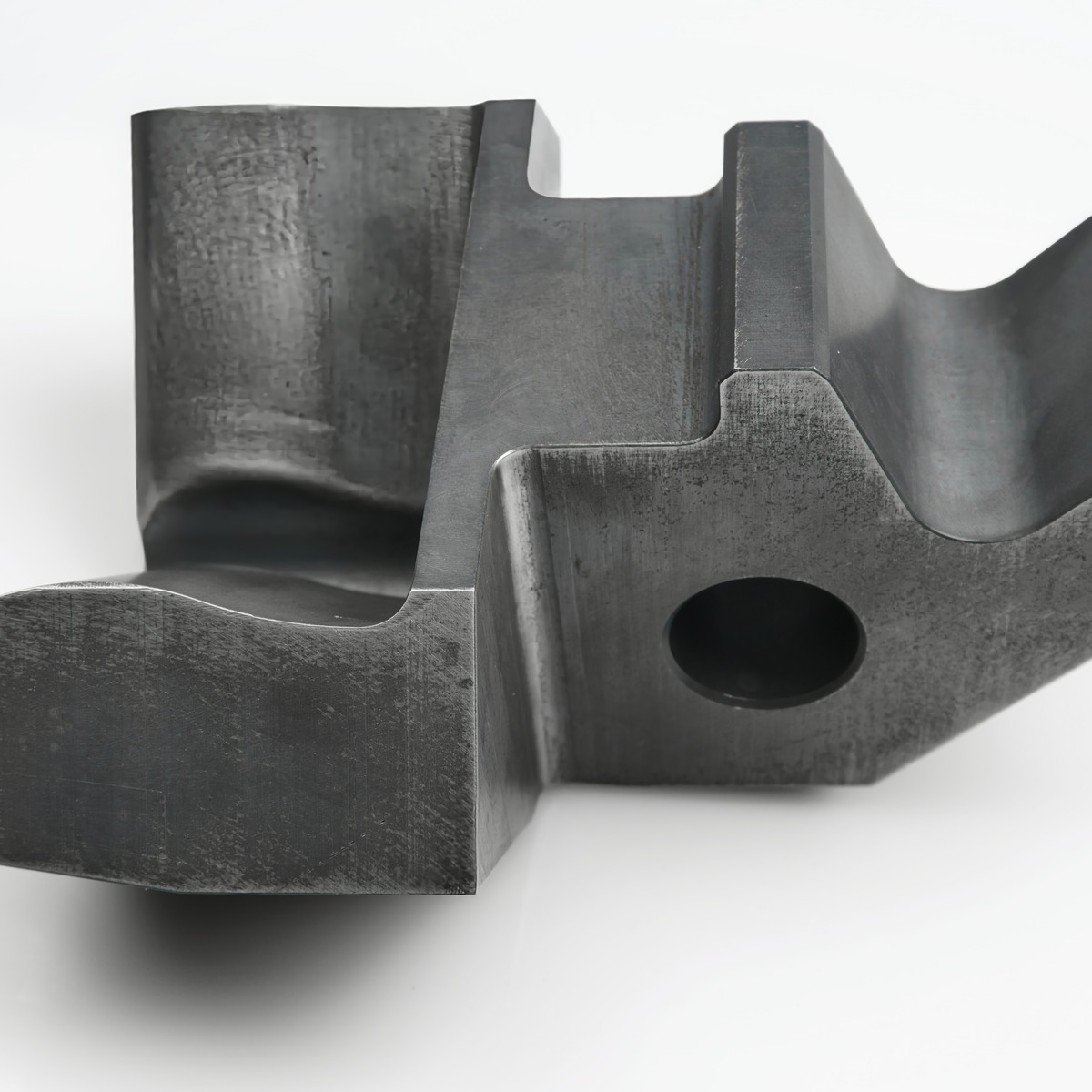
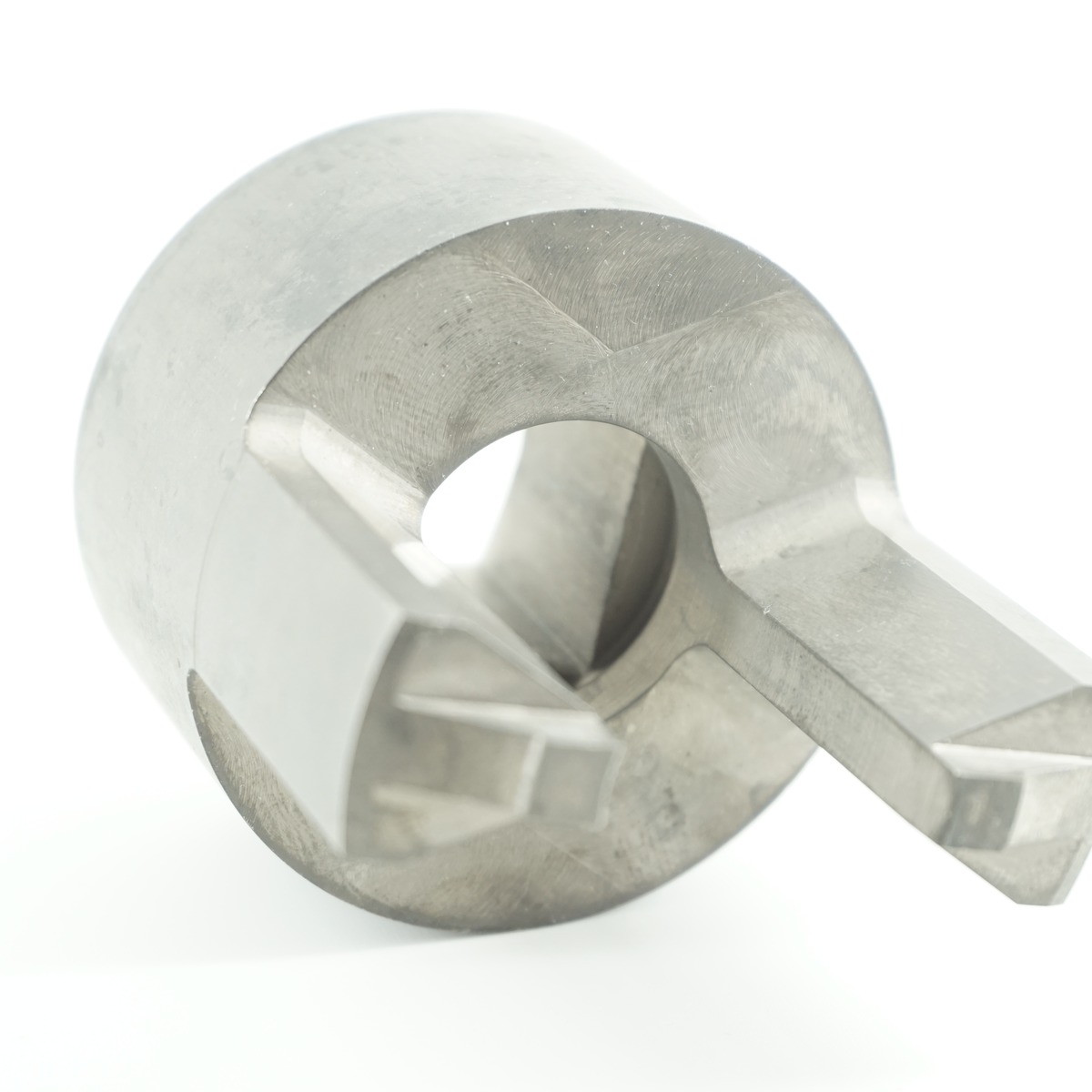
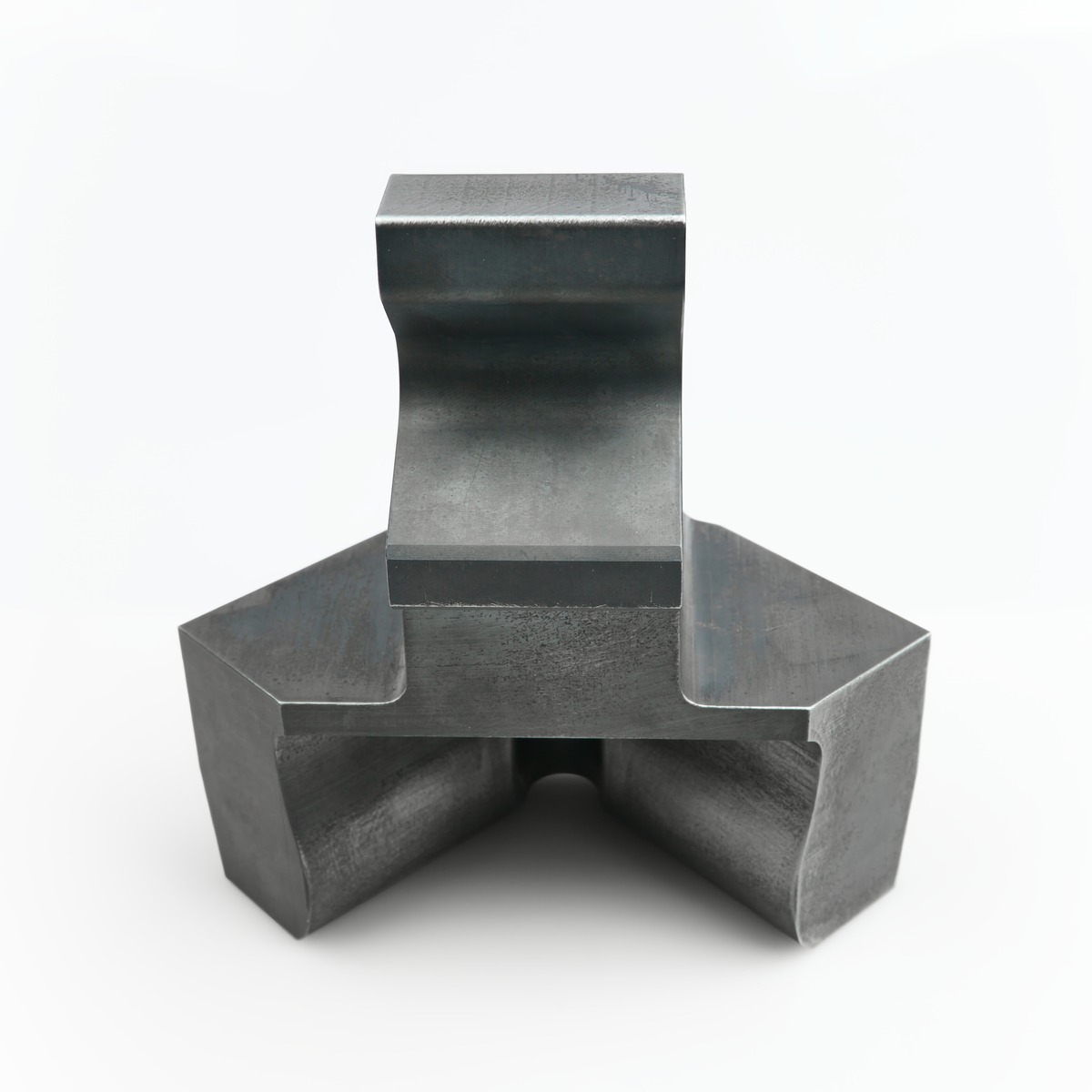
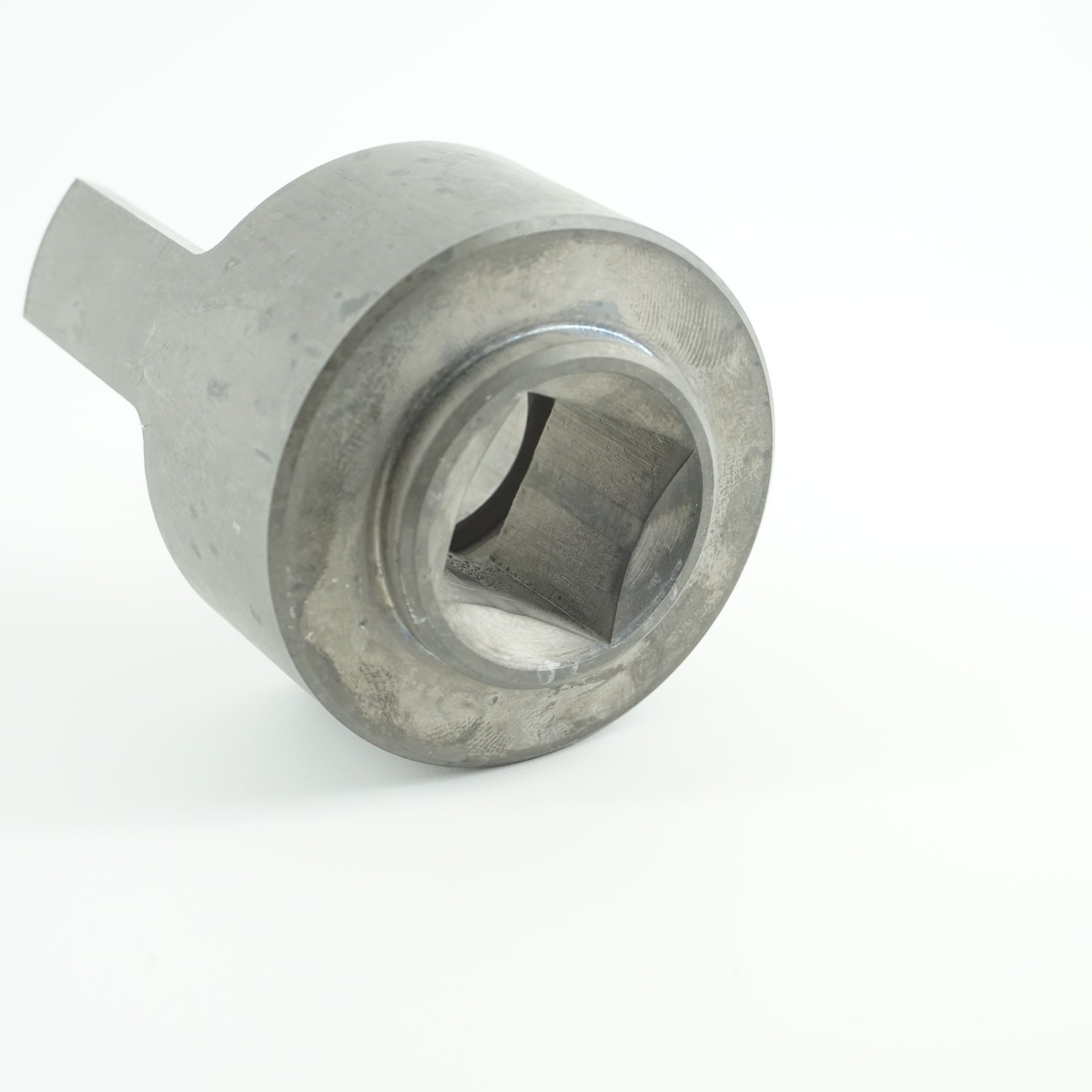
Forging is ideal for components that require high strength, toughness, and long-term reliability under demanding operating conditions. It is primarily used for mechanically loaded parts, where the controlled grain flow created during forging provides superior mechanical properties compared to components produced by casting or machining from solid stock. Typical applications include flanges, levers, lifting eyes, shafts, pins, fastening components, and structural parts intended for subsequent machining or assembly.
What Can We Manufacture with This Technology?
- Typical components: flanges, levers, lifting eyes, shafts, pins, fastening components, housings, and structural parts
- Forging methods: closed-die forging and open-die forging; the appropriate process is selected according to part geometry, required precision, and production volume
- Part size: from small precision forgings to large structural components
- Required properties: high strength, toughness, fatigue resistance, and long-term operational reliability
- Production volumes: small batches, recurring production, and serial manufacturing depending on the type of forging
Typical Materials and Manufacturing Capabilities
The appropriate forging process is selected according to the material, part geometry, required mechanical properties, and production volume. When manufacturing forgings, it is essential to consider not only the final shape but also grain flow orientation, machining allowances, heat treatment requirements, and the component’s intended end application.
- Materials: carbon steels, alloy steels, stainless steels, aluminum, brass, and other metallic materials depending on the application
- Closed-die / open-die forging: the appropriate forging process is selected according to part complexity, production volume, and required precision
- Machining allowances / grain flow / preform geometry: all considered during the design of the optimal forging solution
- Heat treatment / straightening / finishing: additional post-forging operations can be provided according to the functional requirements of the component
- Quality control: dimensional inspection, material testing, and project-specific documentation as required
Related Manufacturing Processes
Forging often serves as the starting point for subsequent manufacturing processes. Forged components are typically followed by CNC machining, heat treatment, grinding, or surface finishing, depending on the requirements of the final part. For engineering components, verification of mechanical properties and final assembly are also often essential steps in the manufacturing process.
- CNC Turning
- CNC Milling
- Heat treatment
- Surface treatments
What We Need for a Fast Quotation
- Drawing or 3D model: preferably a PDF drawing and a 3D model, including identification of functional and machined surfaces where applicable
- Material: exact material grade or the required mechanical properties of the component
- Estimated quantity: number of parts, annual demand, and expected production frequency
- Machining requirements: identification of surfaces to be machined, including machining allowances and required tolerances
- Required properties and testing: strength, toughness, heat treatment requirements, certifications, or material testing
- Additional operations: machining, heat treatment, surface finishing, assembly, or packaging
Why Is Manufacturing with PARTORY More Efficient?
40% Material Cost Savings: We purchase materials in bulk across our entire supplier network, giving you access to pricing that individual buyers typically cannot achieve.
Always the Right Manufacturing Technology: Our AI-powered platform automatically matches your project with the production equipment best suited for your component. You only pay for the machining capacity your part actually requires.
Hassle-Free Logistics: We manage just-in-time deliveries, safety stock, and complete transportation coordination.
These advantages help reduce your sourcing and manufacturing costs by at least 15%.
Where Do the Cost Savings Come From?
We reduce sourcing and manufacturing costs by at least 15% through:
Do You Have Your Documentation Ready?
Send us your drawing, 3D model, or technical requirements at rfq@partory.com. We will review the manufacturing options and get back to you with the next steps.
Prefer to Discuss Your Project First?
Register with PARTORY and we’ll contact you to review your project, discuss your documentation, and identify any additional information needed to prepare an accurate quotation.
FAQ
- When is forging the right choice?
Forging is the ideal manufacturing process for components that require high strength, toughness, and long-term reliability under demanding operating conditions. - What is the difference between a forging and machining from solid stock?
Forgings often provide superior mechanical properties while reducing material waste, particularly for highly loaded or geometrically suitable components. - Can you recommend the most suitable forging process?
Yes. Based on the part geometry, material, production volume, and required mechanical properties, we will recommend the most appropriate forging solution. - Can you supply machined forgings?
Yes. In addition to the forging itself, we can provide CNC machining, heat treatment, and all required finishing operations. - What information do you need to prepare a quotation?
Ideally, we require a drawing or 3D model, material specification, production quantity, and information about the required mechanical properties or machining requirements. - Do you provide quality inspection and documentation?
Yes. Depending on the project requirements, we can provide dimensional inspection, material testing, and the required quality documentation.